

5 Bad Water Pump Symptoms
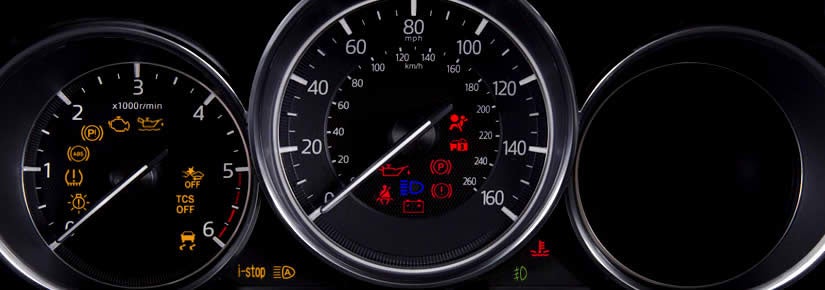
The water pump is a crucial component of your vehicle's cooling system, responsible for circulating coolant between the engine and radiator to maintain optimal operating temperatures. That's why it's important to recognize bad water pump symptoms and address them promptly.
Key Takeaways
-
Coolant leaks, overheating, unusual noises, steam, and corrosion can indicate water pump trouble.
-
A pump can fail internally without an obvious coolant leak.
-
If the engine overheats or the pump fails, stop driving and arrange professional inspection.
Bad Water Pump Symptoms
A malfunctioning water pump can lead to severe engine damage if not addressed promptly. Here are five broken water pump symptoms to look out for:
Coolant Leaks
If you notice a puddle of coolant under the front of your vehicle, it's one of the most common broken water pump symptoms. Coolant is typically brightly colored—green, orange, or pink—and may have a sweet smell.
Leaks usually occur because the gaskets and seals in the water pump deteriorate over time, allowing coolant to escape. You might also spot dried coolant residue or streaks on the engine block, as the coolant can spray out under pressure and leave behind a crusty white or colored deposit when it dries.
Left unchecked, these leaks can cause the engine to overheat, potentially leading to severe damage.
Overheating Engine
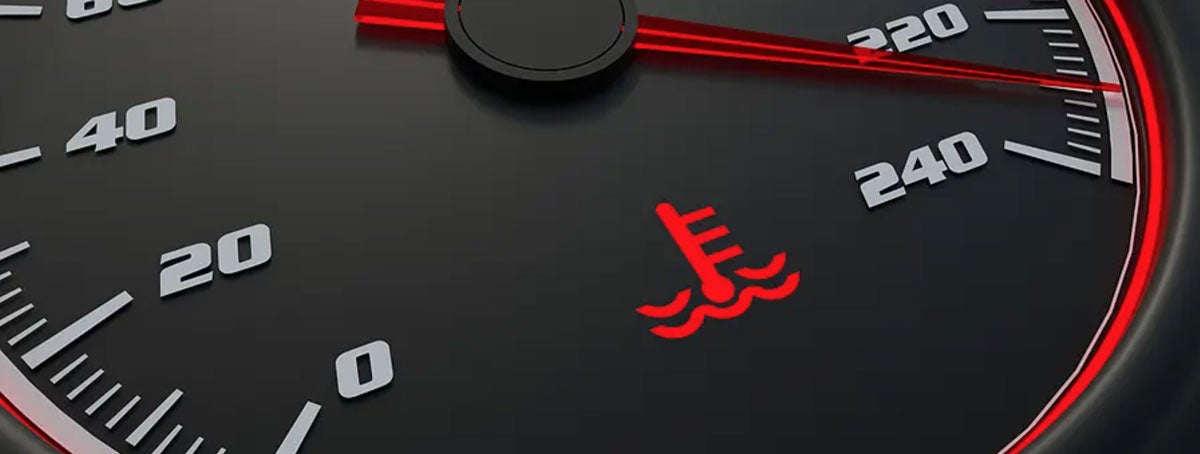
The water pump is responsible for circulating coolant to regulate engine temperature. If the pump begins to fail, it may not move coolant efficiently, causing the engine to overheat.
You'll typically see the temperature gauge on your dashboard rise into the red zone or a warning light indicating high engine temperature. Overheating can also cause other components, like the radiator, hoses, or thermostat, to fail.
In severe cases, this can result in a blown head gasket, warped cylinder heads, or even a cracked engine block—all costly repairs. Overheating issues should always be addressed immediately to avoid further damage.
Unusual Noises
A high-pitched whine or squeal from the front of the engine may indicate a worn water pump pulley or bearings. This noise may start subtly and worsen over time as the bearings wear out or the pulley becomes misaligned.
The sound often fluctuates with engine speed, growing louder as you accelerate. In extreme cases, a damaged pulley or worn bearings can cause the water pump belt to slip, leading to complete water pump failure.
If you hear unusual noises, it's crucial to have the system inspected to determine whether the water pump or another component is the culprit.
Steam from the Radiator
Seeing steam or white smoke rising from under the hood indicates that the engine is overheating, which is often linked to a broken water pump. This occurs when the coolant cannot circulate properly, causing it to boil inside the engine and radiator.
Driving with an overheating engine can lead to extensive damage, including warped engine components or a seized engine. If you see steam, pull over immediately, turn off the engine, and allow it to cool before checking the coolant level.
Continuing to drive in this condition could lead to costly engine repairs.
Corrosion and Deposit Build-Up
Over time, even minor leaks from the water pump can cause corrosion or the build-up of mineral deposits on its surface. These deposits may appear as rust-colored streaks or crusty white residue around the pump.
Corrosion weakens the metal and can prevent the pump from functioning correctly, while mineral build-up can block the coolant flow, reducing the cooling system's efficiency. Regular maintenance and inspections can help identify these signs early, preventing further damage and ensuring the longevity of your cooling system.
If you observe any of these signs, it's essential to have your vehicle inspected by a professional mechanic promptly. Addressing water pump issues early can prevent costly repairs and ensure your engine operates smoothly.
Common Causes of Water Pump Failure
Water pump failure is often the result of various factors, ranging from normal wear and tear to improper maintenance. Here are some of the most common causes of bad water pump symptoms:
Wear and Tear
Like any mechanical component, the water pump experiences wear and tear over time. The pump's internal impeller, seals, and bearings are constantly subjected to high temperatures, pressure, and friction.
Eventually, these parts degrade, reducing the pump's efficiency and leading to potential leaks or complete failure. Most water pumps are designed to last between 60,000 and 100,000 miles, but their lifespan can vary depending on driving conditions and maintenance.
Contaminated Coolant
Coolant plays a dual role in the cooling system: it regulates temperature and prevents corrosion. Over time, coolant can degrade and lose its effectiveness, especially if it's not replaced at regular intervals.
Contaminated or improperly mixed coolant can cause rust, scale, and debris to build up in the system, which can damage the water pump's internal components. These deposits may also clog the coolant passages, leading to overheating and pump failure.
Improper Installation
Installing a new water pump requires precision and expertise. Improper installation, such as over-tightening bolts, misaligning the pump, or using incorrect gaskets, can result in premature failure. Additionally, using aftermarket parts of lower quality instead of OEM (original equipment manufacturer) parts can compromise the pump's durability and performance.
Low Coolant Levels
Running your vehicle with insufficient coolant is a surefire way to damage the water pump. The pump cannot maintain proper circulation without adequate coolant, leading to overheating and excessive strain on the pump's seals and bearings. Over time, this can result in leaks or complete pump failure.
By understanding these broken water pump symptoms, you can take proactive steps to prevent water pump failure and ensure your engine's cooling system operates efficiently.
What Does the Water Pump Do?
The water pump is a vital component of your vehicle's cooling system, tasked with maintaining the optimal temperature of the engine by circulating coolant. Located at the front of the engine block, typically near the timing belt or serpentine belt, the water pump drives coolant through a network of passages and hoses connecting the engine, radiator, and heater core.
Here's how it works:
- The pump is driven by a belt connected to the engine's crankshaft. As the engine runs, the pump creates a continuous flow of coolant.
- The coolant absorbs heat from the engine block and carries it to the radiator, dissipating it into the air.
- The thermostat regulates this process by controlling the coolant flow based on the engine's temperature. When the engine is cold, the thermostat remains closed, allowing the coolant to circulate within the engine until it warms up. Once the desired temperature is reached, the thermostat opens, allowing the coolant to flow to the radiator.
- The coolant reservoir serves as a storage tank, maintaining the proper coolant level and accommodating expansion as the liquid heats up.
The water pump is critical for engine performance because overheating can lead to severe issues such as warped cylinder heads, blown gaskets, or even a seized engine. With a bad water pump, coolant cannot circulate, and the engine would quickly overheat, resulting in potential breakdowns and costly repairs.
FAQs
How Do I Know If My Water Pump Is Damaged?
Identifying a damaged water pump often comes down to paying attention to your vehicle’s behavior. If you notice rising engine temperatures, visible coolant leaks, unusual whining noises near the front of the engine, or steam coming from the radiator area, the pump may be failing.
A damaged pump can also cause inconsistent cabin heating, since the heater core relies on proper coolant flow. Any combination of these signs should prompt a professional inspection before the issue escalates.
Can I Still Drive With a Broken Water Pump?
Driving with a broken water pump is extremely risky. Since the pump is responsible for circulating coolant, a failed pump means the engine will overheat very quickly.
Even short trips can turn into expensive repairs such as warped cylinder heads, blown gaskets, or a seized engine. If your pump is failing or has already failed, the safest choice is to stop driving and arrange for the vehicle to be towed to a repair shop.
Can a Water Pump Fail Without Leaking?
A water pump can fail without leaking. Internal components such as the impeller or bearings can wear down long before any coolant escapes. In these cases, you might experience overheating, reduced coolant flow, or unusual noises while the pump itself appears dry from the outside. Some pumps use plastic impellers that can crack or detach internally, causing the pump to stop circulating coolant while leaving no external leak to diagnose. This makes it important to pay attention to temperature changes and engine performance, not just visible leaks.
How Long Do Water Pumps Typically Last?
Most water pumps last between 60,000 and 100,000 miles, though the exact lifespan depends on driving habits, the quality of coolant, and overall maintenance. Vehicles driven in extreme temperatures or under heavy load often experience shorter pump life. Replacing the water pump during timing belt service is a common practice, since both components are located in the same area and often wear out on a similar schedule. Regular coolant changes help extend pump life by preventing corrosion and debris build-up.
Fix Your Broken Water Pump at Seacoast Mazda
If you are experiencing any of the bad water pump symptoms listed above, the safest choice is to have your cooling system inspected before the problem becomes more serious. The certified technicians at Seacoast Mazda in Portsmouth, NH, can diagnose the issue, perform water pump service, and make sure your vehicle is running at the correct temperature again. Schedule a visit with Seacoast Mazda in Portsmouth, NH, to protect your engine and restore your vehicle’s reliability.
Schedule Service