

Clicking, Cranking, or Nothing at All: Diagnosing a Mazda That Won’t Start
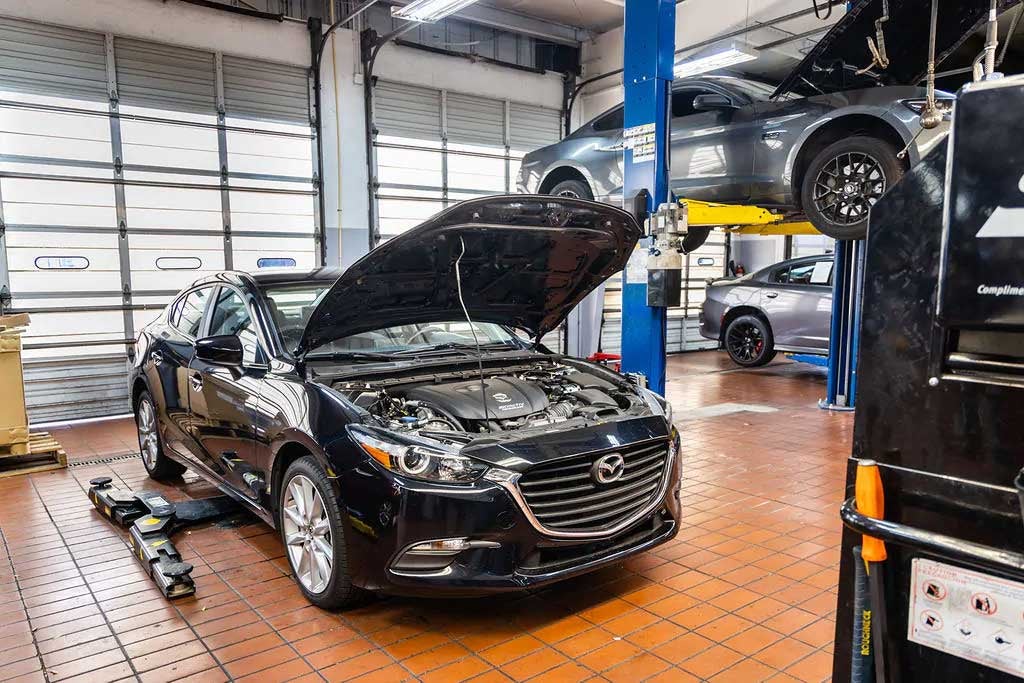
Getting into your Mazda and hearing nothing, a click, or continuous cranking can be very frustrating. Several systems, including the battery, starter, ignition, fuel delivery, and engine sensors, must work together to start the car. Identifying how your Mazda responds can help narrow down the cause and guide your next steps.
Clicking: Signs of a Weak Battery or Starter Issue
If you hear a single click or repeated clicking when attempting to start your Mazda, it is often a sign of a weak battery or a problem with the starter. The clicking noise comes from the solenoid, which is trying to engage the starter motor but does not have enough power to turn the engine over.
A weak battery is the most common cause of this type of problem. Batteries can lose charge over time, especially in extreme temperatures. Cold weather can reduce a battery’s capacity, while heat can shorten its lifespan. Corroded or loose battery terminals can also prevent sufficient power from reaching the starter. Checking the battery voltage and inspecting the terminals for corrosion are good first steps.
In some cases, the starter itself may be faulty. If the solenoid or motor is worn out, it may click without turning the engine. While a dead battery can sometimes be jumped or replaced easily, a failing starter often requires professional replacement. Other electrical issues, such as a blown fuse or a problem with the ignition switch, can also produce a clicking sound.
Cranking: Engine Turns but Won’t Fire
When your engine cranks but your Mazda won't start, the starter motor is working, and the engine is turning over, but the engine is not firing. This typically points to issues with fuel delivery, ignition, or engine sensors.
One common cause is a lack of fuel reaching the engine. A clogged fuel filter, failing fuel pump, or empty fuel tank can prevent proper fuel delivery. Checking the fuel level and listening for the fuel pump operation can provide clues. Fuel system issues can often be diagnosed by a professional using specialized equipment.
Ignition problems can also prevent an engine from starting. Faulty spark plugs, ignition coils, or wiring issues can stop the spark needed to ignite the fuel-air mixture. In newer Mazdas, engine sensors like the crankshaft or camshaft position sensors play a critical role in timing the ignition. A malfunctioning sensor can allow the engine to crank but prevent it from firing.
Electrical problems beyond the battery or starter, such as blown fuses or faulty relays, may also prevent starting. Modern Mazdas rely on a network of control modules that coordinate the fuel, ignition, and starter systems. Diagnosing these issues often requires professional scan tools and technical expertise.
Nothing at All: Complete Power Loss
If turning the key or pressing the start button produces no sound, no lights, and no movement, the problem is usually related to the battery, connections, or security system. A completely dead battery is the first possibility. If the dashboard lights do not illuminate at all, the battery may be fully discharged or faulty.
Loose or corroded battery terminals can create a similar symptom, cutting off power to the vehicle. It is important to ensure the connections are clean and secure. A blown main fuse or fusible link may also prevent the car from receiving power.
Mazda vehicles have advanced security and anti-theft systems. If the vehicle does not recognize the key fob or detects an issue with the immobilizer, it may prevent any attempt to start the engine. Checking the key fob battery and ensuring it is programmed correctly is an easy step that may resolve the issue.
Step-by-Step Troubleshooting
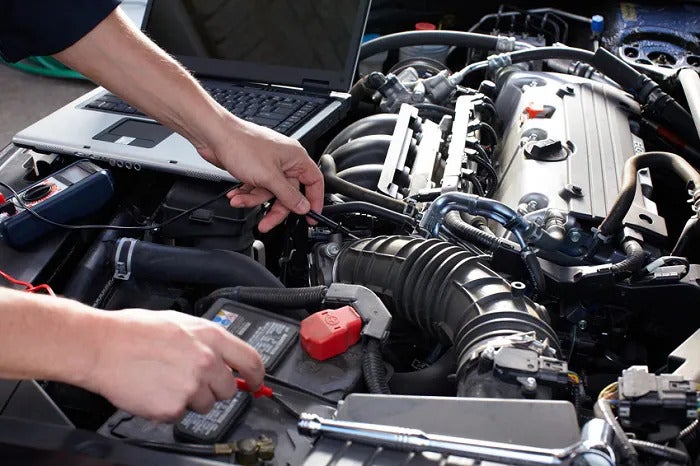
When diagnosing a Mazda that will not start, it is helpful to follow a systematic approach. First, check the battery and connections. Make sure the terminals are clean and tight, and test the battery voltage. If the battery is weak, try jump-starting the vehicle or replacing the battery if necessary.
Next, listen for clicking or cranking noises. Clicking usually points to a battery or starter issue, while cranking without starting suggests a fuel, ignition, or sensor problem. Check fuel levels and ensure the vehicle has clean fuel. Inspect fuses and relays for obvious signs of failure.
A professional scan tool can reveal trouble codes from the engine, helping identify faulty sensors, ignition parts, or fuel issues. Trying repairs without proper diagnosis can be costly and time-consuming.
Preventative Maintenance to Avoid Starting Issues
Regular maintenance can prevent many starting problems. Keeping the battery terminals clean, ensuring the battery is in good condition, and replacing worn spark plugs or ignition components can reduce the likelihood of unexpected no-start situations. Fuel system maintenance, including periodic fuel filter replacement, also helps maintain reliable engine starting.
Checking and maintaining fluid levels, including engine oil and coolant, ensures that the engine runs smoothly and reduces strain on starting components. In addition, keeping a spare key fob battery on hand and monitoring the condition of security system components can prevent immobilizer-related starting issues.

When to Seek Professional Help
While some starting issues can be resolved at home, many Mazda starting problems require professional attention. Electrical faults, failing starters, fuel pump issues, or sensor malfunctions often need specialized knowledge and diagnostic tools.
A certified Mazda technician can quickly identify the root cause and perform the necessary repairs. Attempting complex fixes without proper experience may lead to further damage.
If you Have Trouble With your Mazda, Head to Seacoast Mazda
A Mazda that clicks, cranks, or produces no response when trying to start can be caused by a range of issues, from a weak battery to fuel, ignition, or electrical system problems. Careful observation and systematic troubleshooting can help narrow down the likely causes, but many issues require professional diagnosis. Regular maintenance and attention to battery, fuel, and ignition components can prevent many common starting problems.
If your Mazda will not start, it is best to take it to Seacoast Mazda. Certified technicians can diagnose the issue accurately and get your vehicle back on the road safely and efficiently.
Schedule Service