

Cold Air Intake vs. Stock Intake: The Difference

When modifying your Mazda for better performance, few upgrades spark as much interest—or debate—as the cold air intake. Enthusiasts often claim it’s an easy way to boost horsepower and improve fuel efficiency, but how much of that holds true?
Here are the key differences between cold air intake vs. stock intake systems, along with what you can realistically expect in terms of performance, efficiency, and long-term value. We’ll also cover potential trade-offs, including maintenance needs, warranty considerations, and whether the upgrade makes sense for daily driving or more spirited performance builds.
What Does an Air Intake System Do?
Before diving into the differences, it's essential to understand the role of an air intake system in your vehicle. Your engine needs a mixture of fuel and oxygen to combust. The air intake system is responsible for drawing in air from the environment, filtering out debris, and delivering it to the engine.
The air's quality, quantity, and temperature can all affect engine performance. That's where the difference between cold air intake vs. stock intake systems comes into play.
Stock Air Intake Systems Are Designed for Balance
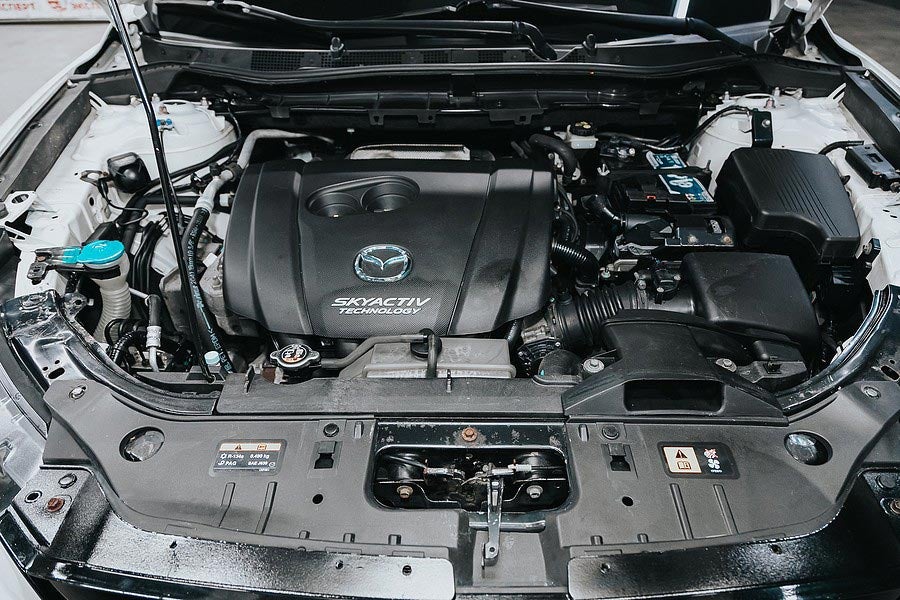
Stock intake systems are engineered by Mazda to provide a balance between performance, efficiency, emissions, and noise reduction. The air is usually drawn from inside the engine bay through a filter and into a resonator, which reduces noise before the air enters the engine.
This design is practical and efficient for the average driver. However, it does have limitations:
- Air Temperature: Air pulled from the engine bay is warmer, less dense and can slightly reduce performance.
- Airflow Restriction: Stock systems often include baffles and narrow tubing to muffle sound and meet emissions regulations, which can restrict airflow to the engine.
Cold Air Intake Systems Are Designed for Performance
Cold air intake (CAI) systems are aftermarket upgrades designed to draw cooler air from outside the engine bay—typically from behind the front bumper or fender well. Cooler air is denser, meaning it contains more oxygen molecules per volume, which can result in better combustion and improved performance.
Key benefits of cold air intake systems include:
- Increased Horsepower: Some users report 5 to 15 horsepower gains, depending on the vehicle and other supporting mods.
- Improved Throttle Response: CAIs can make the engine feel more responsive during acceleration.
- Enhanced Engine Sound: With fewer baffles, the engine's intake noise becomes more pronounced, which some drivers enjoy.
That said, results can vary depending on the vehicle model, driving conditions, and quality of the CAI system.
What Are the Downsides of a Cold Air Intake?
A cold air intake can offer performance benefits, but there are several disadvantages drivers should consider. Installation may void portions of the vehicle warranty if the part causes related damage. Because the system pulls air from a lower position in the engine bay, it can increase the risk of water ingestion in heavy rain or deep puddles, which may lead to engine damage.
Some systems require periodic cleaning and maintenance to keep sensors functioning correctly. Certain aftermarket intakes can also create increased intake noise that some drivers may find undesirable. In addition, they may not comply with emissions regulations in some states, which can affect inspection results.
Do Cold Air Intakes Really Add Power?
Mazda engines—particularly in models like the Mazda3, Mazda6, and CX-5—are already finely tuned from the factory. Mazda's Skyactiv® technology optimizes combustion, weight, and transmission to maximize fuel economy and power.
That means the performance improvement from a cold air intake won't be night and day—but it can be noticeable, especially under heavy throttle or when paired with other modifications like an upgraded exhaust system or ECU tune.
Owners of Mazda's turbocharged models (like the Mazda CX-5 2.5 Turbo or Mazda6 2.5T) may see more pronounced benefits, as forced induction systems tend to respond better to increased airflow.
Real-World Feedback
Many Mazda enthusiasts who've installed cold air intakes report:
- Better acceleration at higher RPMs
- A slight bump in fuel efficiency (1–2 mpg under optimal conditions)
- A sportier engine sound that enhances driving enjoyment
However, gains are typically modest and may not justify the cost for all drivers—especially those prioritizing factory warranties, daily commuting, or low maintenance.
|
Feature |
Stock Intake |
Cold Air Intake |
|
Air Temperature |
Warmer (from engine bay) |
Cooler (from outside) |
|
Airflow |
Moderate (restricted for noise/emissions) |
Higher (less restriction) |
|
Performance Gains |
Minimal |
Modest (5–15 hp possible) |
|
Sound |
Quiet |
Louder, more aggressive |
|
Emissions Compliance |
Fully compliant |
May affect emissions (varies by model) |
|
Warranty Impact |
Maintains factory warranty |
Could void parts of the warranty |
|
Maintenance |
Low |
May require cleaning/re-oiling of filter |
Does It Impact Fuel Economy?
One of the most common questions is whether a cold air intake will improve fuel efficiency. Technically, yes—but not dramatically. By improving combustion efficiency, CAIs can slightly enhance fuel economy under optimal conditions. However, the increased temptation to drive more aggressively and enjoy the new engine sound can offset those gains.
If saving fuel is your top goal, other upgrades like improving tire pressure, reducing vehicle weight, or using synthetic oil may offer more noticeable returns.
What About Installation and Maintenance?
Installing a cold air intake is usually a straightforward process that many DIY enthusiasts can handle with basic tools. Most kits come with detailed instructions and are designed to fit specific models.
However, there are some important considerations:
- Hydro-locking Risk: Because CAIs pull air from low to the ground, there's a higher risk of sucking in water when driving through puddles or heavy rain. Some systems include hydro shields to reduce this risk.
- Filter Cleaning: Many CAIs use oiled filters that need periodic cleaning and re-oiling. Failing to do this can reduce airflow and cause long-term engine issues.
Is It Worth Using a Cold Air Intake?
Choosing between cold air intake vs. stock intake systems is a personal decision that depends on your goals, driving habits, and expectations. A cold air intake can be a fun and worthwhile upgrade for Mazda owners who enjoy spirited driving and want to enhance engine sound and throttle response.
However, the stock intake may be the better choice if you prioritize a quiet ride, low maintenance, and sticking to manufacturer specifications.

Thinking About Upgrading Your Mazda?
A cold air intake can deliver real—though often modest—performance gains over a stock intake system. It won't transform your Mazda into a track car overnight. Still, it can make your daily drive feel sharper, more responsive, and more enjoyable—especially when combined with other performance upgrades.
Before deciding between a cold air intake vs. stock intake, it's important to factor in your specific Mazda model, local climate conditions, driving style, and how modifications might impact your warranty. Stop by Seacoast Mazda to chat with our team—we'll help you explore your options and decide what's right for your vehicle.