

How to Prepare Your Car for Winter Weather
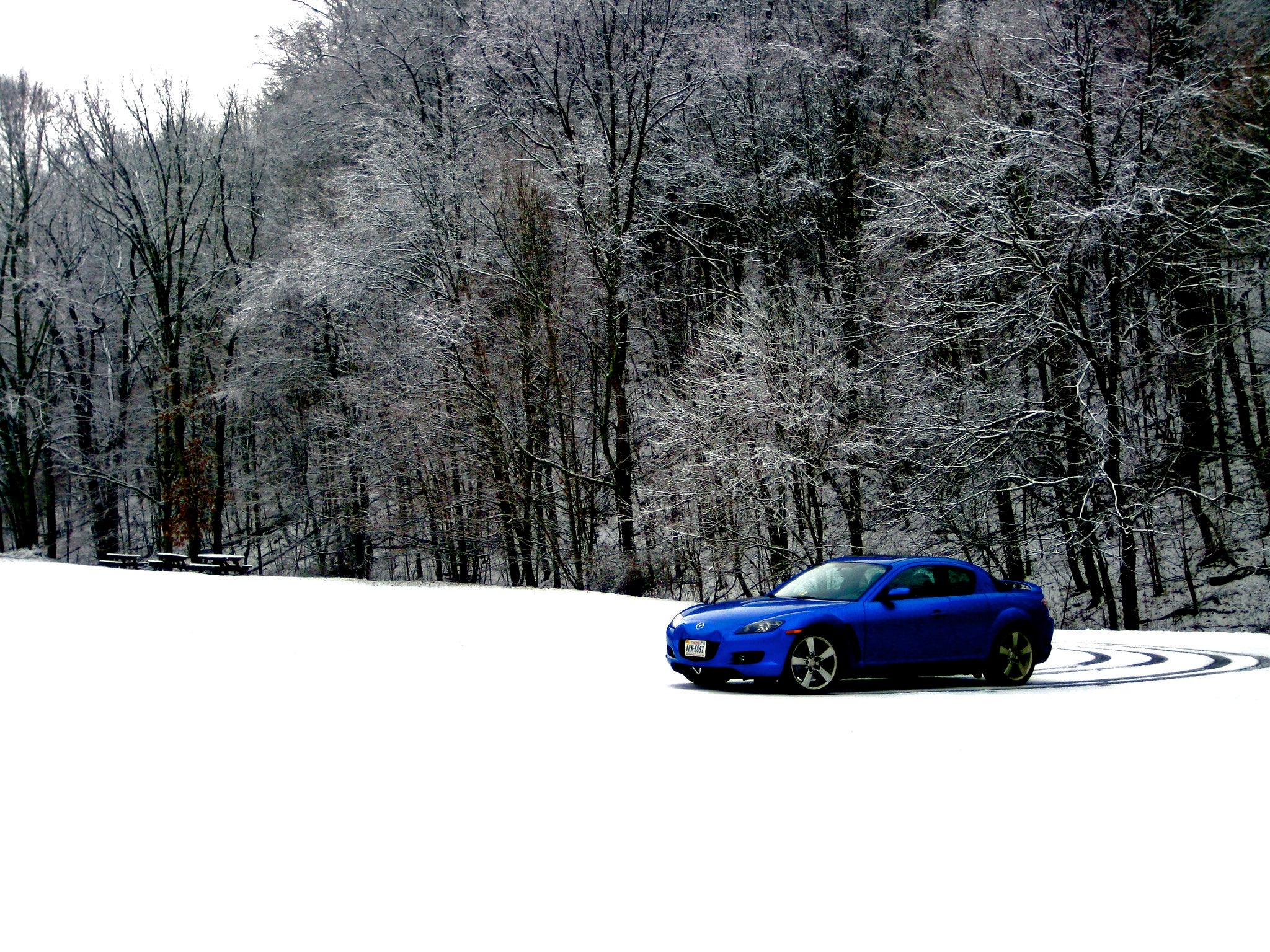
Image courtesy of Taber Andrew under CC 2.0 license
As the chill of winter sets in, Mazda owners know that driving a car in cold weather can bring its own set of challenges. From battery issues to thickened fluids, the dropping temperatures can put a strain on your vehicle, affecting both performance and longevity. Whether you live in an area with snow and ice or just experience the colder months, it’s important to understand how the season can impact your Mazda and what you can do to keep things running smoothly.
We’ll dive into the most common cold-weather problems, the signs to watch for, and the steps you can take to prevent or address them. Whether you're dealing with a car in cold weather for the first time or you’re a seasoned winter driver, a little preparation and regular maintenance can help ensure your car stays in top shape throughout winter.
1. Battery Problems
One of the most common issues Mazda owners face in cold weather is battery failure. Batteries lose their charge more quickly in freezing temperatures because the chemical reactions inside the battery slow down. This results in reduced electrical output, making it more difficult for the car to start. In extreme cold, the battery can even fail to start the vehicle at all.
What to Do:
- Check Battery Health: Regularly test the health of your Mazda’s battery. Most auto parts stores offer free battery testing.
- Clean Terminals: Ensure the battery terminals are free of corrosion. Corroded terminals can hinder the flow of electricity.
- Replace If Necessary: If your battery is older than 3 years, consider replacing it before the colder weather sets in. Cold weather can exacerbate an aging battery’s weaknesses.
2. Thickened Fluids and Low Oil Viscosity
Cold temperatures cause fluids inside your car, especially motor oil, to thicken. When your Mazda’s oil is thicker than usual, it becomes more difficult for the engine to pump it through the system. This can result in poor lubrication and increased friction, which might cause engine parts to wear out faster or even seize up. Additionally, other fluids such as brake fluid and transmission fluid can also become more viscous, impacting overall vehicle performance.
What to Do:
- Use Winter-Grade Oil: When the weather starts getting colder, switch to a winter-grade motor oil with lower viscosity, such as a 5W-30 or 0W-20. This ensures the oil flows more easily, even in freezing temperatures.
- Regular Fluid Checks: Ensure that all fluids, including coolant, transmission fluid, brake fluid, and power steering fluid, are topped up and in good condition. These checks are essential to prevent wear and tear on your car in cold weather, especially during long drives in freezing temperatures.
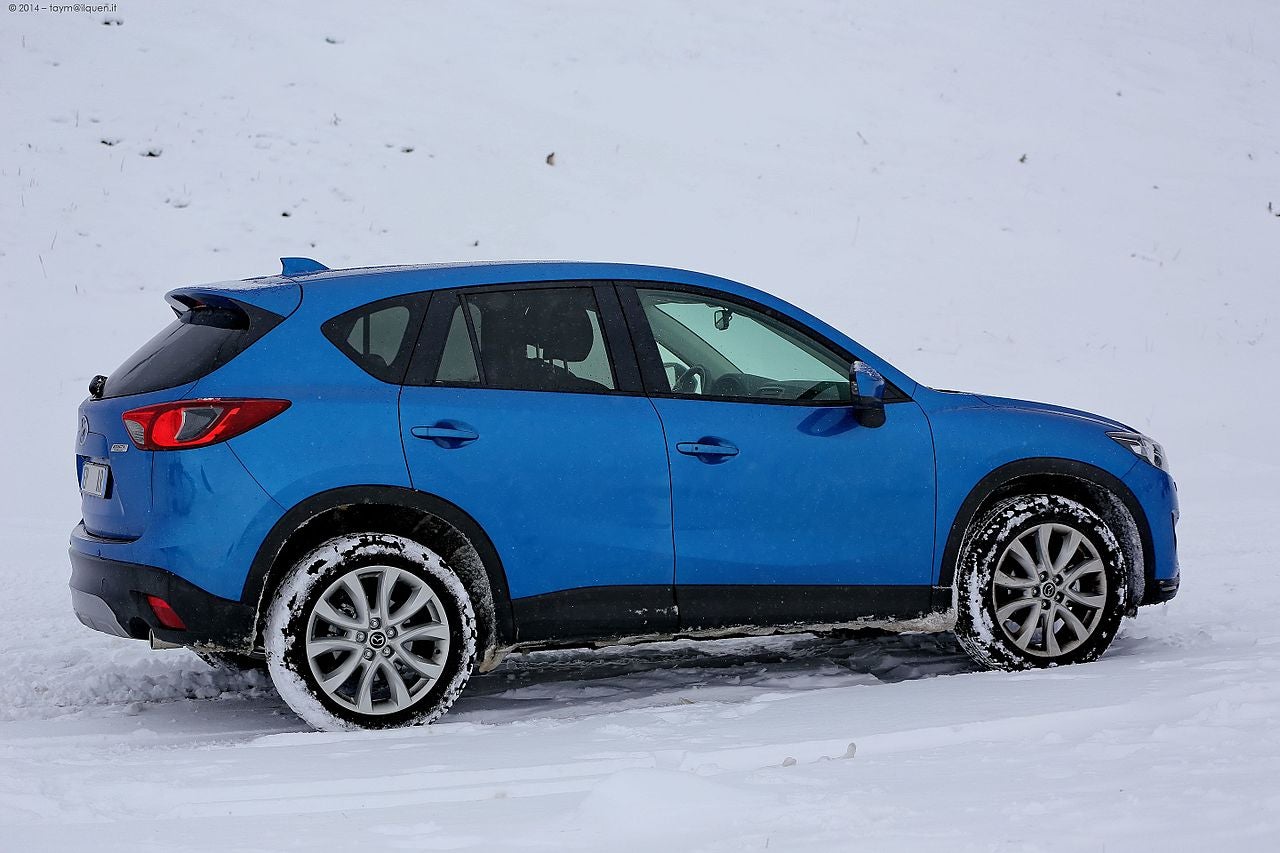
Image courtesy of Claudio Marinangeli under CC 2.0 license
3. Tire Performance and Traction
Cold weather can also cause the rubber in your Mazda’s tires to stiffen, which reduces traction and handling. This is especially important if you live in an area where snow and ice are common during the winter months. With the reduced traction, your vehicle may struggle to grip the road, which can lead to slipping, sliding, or difficulty maintaining control.
What to Do:
- Check Tire Pressure: Cold air causes tire pressure to drop, which can reduce tire performance. Ensure your tires are inflated to the recommended PSI (pounds per square inch). For Mazda vehicles, you can typically find the recommended tire pressure on the doorjamb sticker or in the owner’s manual.
- Switch to Winter Tires: If you live in an area with severe winters, consider investing in winter tires. These tires are specifically designed to provide better traction on snow and ice, giving you more control on slippery roads.
- Inspect for Damage: Before the cold sets in, check your tires for signs of damage or excessive wear. Worn-out tires will perform poorly in winter conditions.
4. Frozen Fuel Lines and Gasoline Issues
One hidden danger of operating a car in cold weather is your fuel system freezing. In extremely cold temperatures, condensation can form inside your car’s fuel system. This moisture can then freeze, blocking the fuel lines and preventing gasoline from reaching the engine. Additionally, if the gas tank is near empty, it can exacerbate the problem, as more moisture can accumulate in the tank.
What to Do:
- Keep the Gas Tank Full: A full tank helps prevent moisture buildup and reduces the chances of the fuel lines freezing.
- Use Fuel Additives: Consider using a fuel additive designed to prevent the formation of moisture in your gas tank. These additives can help keep your fuel lines free from ice.
5. Defroster and Heater Performance
Cold weather can cause your car’s heater and defroster to work harder than usual. The heater relies on the engine’s coolant to produce warm air, and if the coolant is low or the heater core is clogged, the system will struggle to keep the cabin warm. Additionally, the defroster system can become less effective if the windshield wipers are worn or if there is a buildup of frost.
What to Do:
- Check Coolant Levels: Ensure that your Mazda’s coolant is topped up and in good condition. If the coolant is old or contaminated, flush the system and replace it with fresh coolant.
- Inspect the Heater Core: If your heater isn’t producing warm air or is blowing cold, it could be a sign of a clogged heater core. Have this checked and cleaned if necessary.
- Maintain Wiper Blades: Replace your wiper blades before winter. Worn blades can struggle to clear frost or snow, reducing visibility.
Image courtesy of SsmIntrigue under CC by-SA 4.0 license

6. Frozen Door Locks and Seals
During freezing weather, moisture can freeze in your car’s door locks, hinges, and seals. This can make it difficult to open doors or windows, and it can also lead to more severe issues, such as seals cracking or breaking.
What to Do:
- Lubricate Locks: Use a silicone-based lubricant or a lock de-icer to keep your door locks functioning smoothly.
- Apply Rubber Sealant: To prevent door seals from freezing, apply a rubber conditioner or silicone spray to the seals around your doors and windows. This will help keep them flexible and prevent cracking or sticking.
How Cold Is Too Cold for a Car?
Most modern vehicles, including Mazdas, are engineered to operate reliably in a wide range of temperatures, but problems begin to increase once temperatures fall below 32°F. At this point, batteries lose a significant portion of their cranking power, engine oil thickens, and components become less responsive. When temperatures drop to about 0°F or lower, cold weather issues become far more likely. At these levels, a weak battery may fail entirely, fluids may struggle to circulate, and metal components contract enough to affect overall performance. While your Mazda can still operate in these temperatures, it requires more energy to start and more time to reach optimal driving conditions.
Preparing your vehicle for these conditions is essential. Keeping the battery healthy, using the correct winter-grade oil, and ensuring the fuel tank remains close to full helps prevent the most common cold-related failures.
How Long Can a Car Sit in the Cold Without Being Started?
A well-maintained vehicle can typically sit for about one to two weeks in cold weather without major issues, but the exact duration depends on the temperature and the condition of the battery. In moderate cold that stays around freezing, most cars can sit for several weeks without trouble. In extreme cold that drops below 0°F, batteries discharge much faster and fuel line moisture becomes a greater risk. Under those conditions, even a healthy battery may struggle if the car is left unused for more than a few days.
If you expect your Mazda to remain parked in cold weather for extended periods, consider these preventive steps:
- Start the car and let it reach normal operating temperature at least once a week.
- Keep the battery fully charged with a maintainer if possible, especially if the battery is more than three years old.
- Store the vehicle indoors or use an insulated cover to reduce exposure to extreme temperatures.
- Keep the fuel tank at least half full to minimize moisture and lower the risk of frozen fuel lines.
- Taking these measures helps ensure your Mazda remains dependable even during long stretches of cold weather.
Is Driving in Cold Weather Bad for Your Car?
Driving a car in cold weather is not inherently bad, but it does increase wear and stress on key components, especially during short trips and frequent cold starts. The majority of engine wear actually occurs in the first few minutes after startup, when oil has not yet fully circulated and parts are not at optimal operating temperature. In cold conditions, this process takes longer, which means the engine runs with less effective lubrication for a longer period. Repeated short drives in cold weather can also prevent the battery from fully recharging and allow moisture to build up in the exhaust system, potentially leading to corrosion over time.
However, regular driving in cold weather can be beneficial compared to letting a vehicle sit unused. Driving helps keep the battery charged, fluids circulating, and seals lubricated. The key is to drive smoothly and allow the vehicle time to warm up properly without excessive idling. Avoid aggressive acceleration until the engine reaches normal operating temperature, as cold components are more susceptible to damage under stress.
In practical terms, a car in cold weather is safe to drive as long as it is properly maintained. The negative effects come primarily from neglect, not from the cold itself. With the right habits and preventive care, your Mazda can handle winter driving conditions without long-term damage.
Take Your Mazda to Seacoast Mazda for Maintenance
If you need help with any service needs or winter maintenance tasks, don't hesitate to take your car to Seacoast Mazda. Our experienced technicians are here to ensure that your Mazda stays in top shape, no matter what the weather throws at it. If you’re having trouble with your car in cold weather, we can help get things back on track. We can ensure that your Mazda is good to go!
Schedule Service