

Maas Airflow Sensor: What it is and Signs of Malfunction
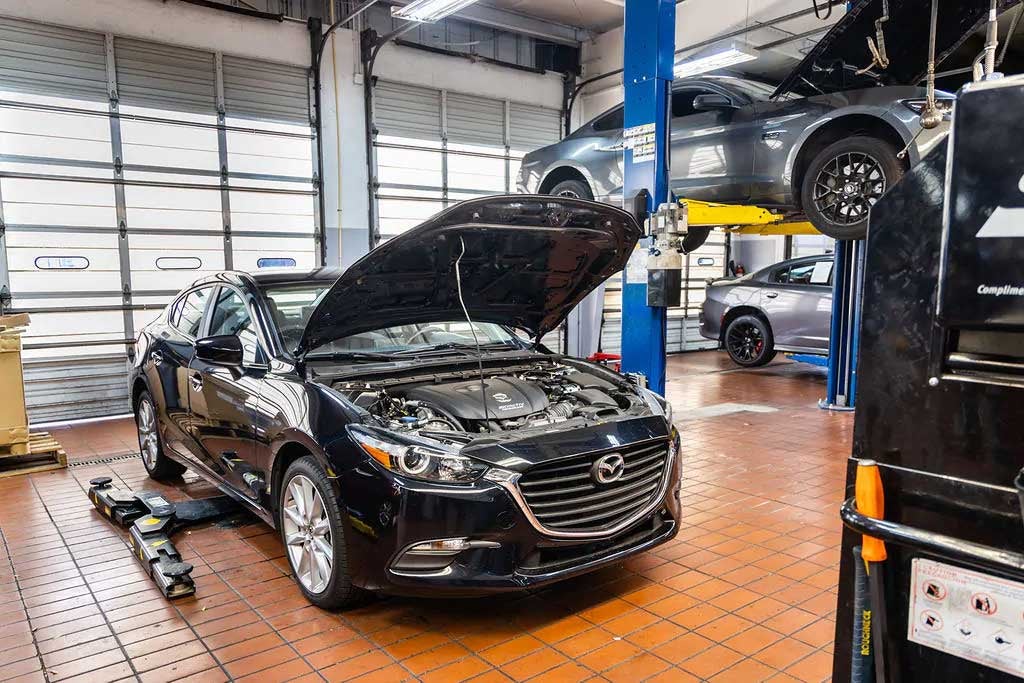
When it comes to maintaining the performance and efficiency of your Mazda, understanding its components can significantly aid in troubleshooting and prevention. One critical component that often goes unnoticed until it begins to malfunction is the Maas airflow sensor. This sensor plays a pivotal role in your vehicle's engine management system, influencing everything from fuel efficiency to engine performance. In this article, we'll explore what the Maas airflow sensor is, how it functions within your Mazda, and the signs that indicate it may be malfunctioning.
What is the Maas Airflow Sensor?
The Maas airflow sensor, also known as the mass air flow (MAF) sensor, is an integral part of your Mazda’s engine management system. Its primary role is to measure the amount of air entering the engine. By assessing the airflow, the sensor provides the engine control unit (ECU) with vital information needed to optimize the air-fuel mixture. This balance is essential for efficient combustion, which directly affects performance, fuel economy, and emissions.
The Maas airflow sensor typically uses either a hot wire or a film technology to measure airflow. The hot wire method involves heating a wire and measuring how much it cools down as air passes over it. The more air that flows, the more the wire cools, and this change is translated into an airflow reading. On the other hand, film technology utilizes a thin film that heats up, and the amount of cooling experienced is directly related to the airflow.
How the Maas Airflow Sensor Works in Mazda
In a Mazda, the Maas airflow sensor works in conjunction with other components such as the throttle position sensor and the oxygen sensors. Together, these parts allow the ECU to adjust the fuel injection and ignition timing, ensuring that the engine runs efficiently.
When you accelerate, for instance, the MAF sensor detects an increase in airflow and sends this information to the ECU. The ECU then increases the fuel supply to maintain the proper air-fuel ratio. Conversely, during deceleration, the sensor detects reduced airflow and signals the ECU to cut back on fuel, enhancing fuel economy.

Signs of a Malfunctioning Maas Airflow Sensor
Understanding the symptoms of a malfunctioning Maas airflow sensor can save you from more extensive repairs down the line. Here are some common signs to look out for:
1. Poor Fuel Economy
One of the most noticeable symptoms of a faulty MAF sensor is a sudden decrease in fuel efficiency. If your Mazda starts consuming more fuel than usual, it could indicate that the sensor is not accurately measuring the airflow, leading the ECU to inject too much fuel into the engine.
2. Engine Stalling or Rough Idling
A malfunctioning Maas airflow sensor can cause erratic airflow readings, which may result in engine stalling or rough idling. If your Mazda frequently stalls, particularly when coming to a stop or idling, this could be a sign of a faulty MAF sensor.
3. Check Engine Light
The check engine light on your dashboard is a crucial warning system for your Mazda. If the MAF sensor is malfunctioning, it may trigger this light. It’s essential to have your vehicle scanned for trouble codes, as these codes can provide specific information about the issue.
4. Decreased Engine Performance
If you notice a drop in acceleration, power, or overall engine performance, it may be due to a malfunctioning MAF sensor. The engine may struggle to respond as expected, which can make driving less enjoyable and potentially dangerous.
5. Unusual Engine Noise
A faulty Maas airflow sensor can lead to imbalances in the air-fuel mixture, which may cause knocking or pinging sounds from the engine. These sounds indicate that combustion is not occurring as it should, and addressing the MAF sensor may help restore normal function.
6. Difficulty Starting the Engine
A malfunctioning MAF sensor can also cause issues with starting your Mazda. If the sensor fails to provide accurate airflow readings, the engine may struggle to start or require multiple attempts before firing up.
7. Black Smoke from Exhaust
If you notice black smoke coming from your exhaust, this is a sign that the engine is running too rich, meaning there's too much fuel and not enough air. A faulty MAF sensor could be the culprit, leading to improper air-fuel mixture and resulting in increased emissions.

Maintenance and Prevention
To avoid issues related to the Maas airflow sensor, regular maintenance is key. Here are a few tips to help keep your MAF sensor functioning correctly:
Regular Cleaning: Dirt and debris can accumulate on the sensor over time, leading to inaccurate readings. Periodically cleaning the MAF sensor with a specialized cleaner can help maintain its accuracy.
Air Filter Replacement: Ensure that your Mazda’s air filter is replaced regularly. A clogged air filter can lead to poor airflow, putting extra stress on the MAF sensor and other engine components.
Routine Inspections: Schedule routine inspections with a certified Mazda technician. They can identify potential issues before they become significant problems, including monitoring the health of your MAF sensor.
Use Quality Fuel: Using high-quality fuel can help minimize deposits that may accumulate in the engine, including the MAF sensor.
Take Your Mazda to Seacoast Mazda
The Maas airflow sensor is a critical component of your Mazda’s engine management system, directly influencing performance, fuel efficiency, and emissions. Recognizing the signs of a malfunctioning MAF sensor can help you take timely action, preventing further complications.
If you suspect issues with your Maas airflow sensor or experience any of the symptoms discussed, it’s crucial to address them promptly. For reliable diagnostics and repairs, take your Mazda into Seacoast Mazda for Maas airflow sensor issues or any other concerns you may have. Our experienced technicians are here to ensure your vehicle runs smoothly and efficiently, so you can enjoy every drive. We can also look at any other issues while we are at it. Remember, at Seacoast Mazda, we can help you save time and money in the short and long run by ensuring your Mazda runs its best.
Schedule Service