

6 Most Common Exhaust System Problems
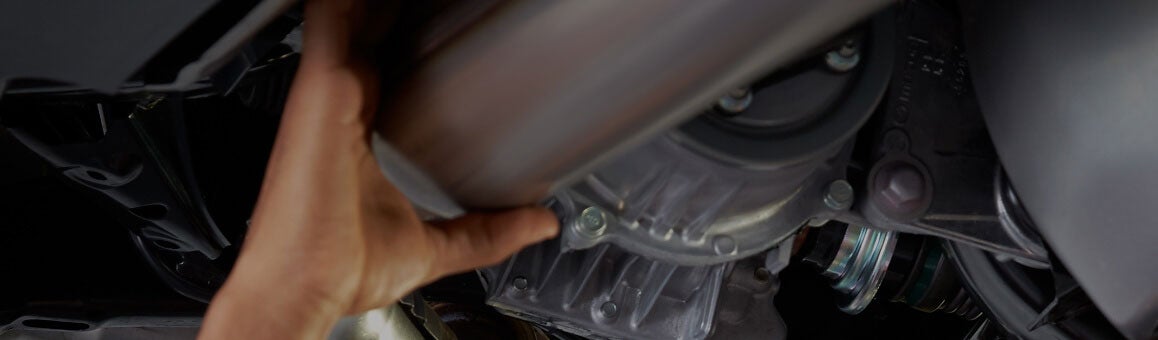
The exhaust system is an integral part of any vehicle, as it directs harmful gasses away from the engine while reducing noise levels in the process. However, like any other automotive component, the exhaust system is prone to problems over time. In this blog post, we will explore some of the most common exhaust issues that car owners encounter, including what causes an exhaust leak and how to fix it.
Key Takeaways
-
Exhaust leaks, muffler damage, converter failure, faulty oxygen sensors, rust, and loose components can affect performance.
-
Diagnosis determines whether a damaged component can be repaired or needs replacement.
-
Regular inspections and undercarriage cleaning can help identify damage and limit corrosion.
Common Exhaust Problems: Symptoms, Fixes, and Prevention
By understanding these exhaust problems and their appropriate solutions, you'll be better equipped to address them promptly and keep your vehicle running smoothly.
1. Exhaust Leaks
Exhaust leaks are among the most prevalent issues that car owners face with their exhaust systems. If you’re asking yourself what causes an exhaust leak, it’s important to know these leaks can occur in various components, such as the exhaust manifold, the catalytic converter, the muffler, and the exhaust pipes. The symptoms of an exhaust leak are usually noticeable; they can include:
Symptoms
- Loud rumbling noises
- Increased engine clatter
- A reduction in fuel efficiency
- A lingering smell of exhaust fumes
If you’ve ever wondered what causes an exhaust leak, the primary culprits are usually corrosion, worn-out gaskets, or damage from road debris.
Diagnosis and fixes
To address exhaust leaks, you must first identify the location of the leak; this can be done by inspecting the exhaust system for visible damage or using smoke testing techniques. Once the leak is located, the damaged component may need to be replaced or repaired. In some cases, a specialized exhaust sealant can be used to seal minor leaks effectively.
It's important to note that addressing exhaust leaks improves vehicle performance and prevents the risk of harmful gasses entering the passenger compartment.
2. Muffler Damage
The muffler is another essential component of the exhaust system, as it is responsible for reducing exhaust noise. Over time, the muffler can suffer from various exhaust problems, including rust and corrosion, holes or cracks, and internal baffles becoming dislodged. Symptoms of a damaged muffler typically include
Symptoms
- Excessive noise
- A vibrating or rattling sound
- Decrease in fuel efficiency
- Exhaust pipe condensation
- Engine misfiring (sudden jerking or stuttering of the engine)
The causes of muffler damage are often attributed to road salt, moisture accumulation, and normal wear and tear.
Repair or replacement
To address muffler damage, it may be possible to repair minor issues by welding holes or cracks. However, in more severe cases, the muffler may need to be replaced entirely. Seeking professional assistance from an experienced mechanic will ensure the appropriate exhaust repair or replacement is carried out.
3. Catalytic Converter Failure
Catalytic converter failure is also among the common exhaust problems drivers face. The catalytic converter plays a significant role in minimizing harmful emissions as it converts them into less harmful substances. You must be aware of the symptoms of a failing catalytic converter. Some of these symptoms can include:
Symptoms
- Compromised engine performance
- Increased exhaust emissions
- A noticeable rotten egg smell
- The illumination of the "check engine" light
Diagnosis and replacement
Several factors can contribute to catalytic converter failure, including engine misfires, excessive oil consumption, the use of leaded gasoline, or an overheating engine. In some cases, people confuse these symptoms with what causes an exhaust leak, making it essential to diagnose the underlying cause of the failure before addressing the issue.
Once the cause is determined, the best solution may involve replacing the faulty catalytic converter.
It is important to consult with a qualified mechanic or automotive professional to ensure the proper diagnosis and installation of a new catalytic converter.
4. Oxygen Sensor Malfunction
Symptoms and causes
The oxygen sensor is a critical component that measures the oxygen levels in the exhaust gases, providing feedback to the engine control unit (ECU) to adjust the air-fuel mixture. When the oxygen sensor malfunctions, it can lead to poor fuel efficiency, a decline in engine performance, and increased exhaust emissions. Common causes of oxygen sensor failure include oil contamination, excessive soot buildup, or simply the sensor's age.
Fix
To resolve this exhaust system issue, the faulty oxygen sensor typically needs to be replaced. Ensure you use a sensor compatible with your vehicle's make and model and follow the manufacturer's guidelines for installation. Replacing a malfunctioning oxygen sensor can help restore proper fuel efficiency and improve engine performance.
5. Rust
Rust is another one of the known exhaust problems drivers encounter. Over time, rust can cause bumps which can eventually lead to physical damage to your vehicle’s components. Exposure to snow, rain, and salt can cause holes and corrosion in the resonators, muffler pipes, and other parts of your car’s exhaust system; consequently, this can lead to complications as the functionality of your exhaust system becomes compromised.
Prevention
To prevent this, ensure that you frequently wash your vehicle’s undercarriage. This allows you to clear the debris on your exhaust system that can cause rust and corrosion.
6. Rickety Components
Another commonly experienced frustration for those with exhaust system issues is loose components. If you’re asking yourself what causes an exhaust leak, it’s important to know these are easily recognized via the rickety sounds they produce while driving. The noise could be an indication of numerous things, such as:
Possible causes
- Unfastened brackets
- A detached exhaust pipe
- Loose heat shield
- Broken pieces stuck within your muffler’s chamber
- Fragmented resonator
Diagnosis and next steps
Besides an uncomfortable riding experience, the detached components can cause undue damage to your vehicle. Sometimes these noises are mistaken for what causes an exhaust leak, which is why ensuring you get the problem diagnosed and, more importantly, fixed is essential. As such, regular exhaust system checkups should be part of your vehicle maintenance procedure. The first visual check can be performed quickly enough on your own; you just need to get under the body of your vehicle and assess the exhaust line.
However, you may require professional maintenance if you notice key exhaust problems: loose parts, damaged components, or rust accumulation. Even if you don’t notice any physical indicators of exhaust system issues, seeking counsel from an automotive expert is worth it.
FAQs
What Are the Symptoms of a Bad Exhaust?
Symptoms of a bad exhaust system often manifest through a combination of performance issues and physical deterioration. Key indicators to watch out for include exhaust leaks, muffler damage, catalytic converter failure, oxygen sensor malfunctions, visible rust, and rickety components rattling underneath your vehicle.
How to Tell if an Exhaust Needs Replacing?
You can typically tell your exhaust system needs replacing if you hear excessively loud rumbling or hissing noises coming from underneath your vehicle. Additionally, experiencing strong exhaust smells inside the cabin, spotting severe rust or dragging pipes, and noticing a sudden drop in fuel efficiency are clear signs that it is time for a replacement.
Can I Drive My Car With Exhaust Problems?
It is highly discouraged to drive with exhaust problems. While your car will likely still move with a damaged exhaust system, whether it is safe to drive depends entirely on the severity and location of the issue. In some cases, it’s a minor annoyance; in others, it is a severe safety hazard to both you and your vehicle.
What Is the Most Common Cause of Exhaust Leaks?
The most common cause of exhaust leaks is corrosion. Moisture, salt, and debris gradually wear down metal surfaces, creating small holes or weakened seals in the exhaust manifold, gaskets, or pipes. Road debris can also strike the underside of the vehicle and crack or dent the exhaust system, which eventually leads to leaking. In many cases, an aging gasket is the first point of failure, since gaskets naturally break down over time and lose their ability to create a tight seal.
Is an Exhaust Leak Expensive to Fix?
The cost of fixing an exhaust leak varies widely depending on the location and severity of the damage. Minor leaks caused by loose clamps or small holes can be inexpensive to repair. Larger problems, such as a cracked catalytic converter or heavily corroded exhaust pipe, can be more costly because the damaged parts need full replacement. The only way to know the exact cost is through a proper inspection since labor and parts vary between vehicles.
Fix Your Exhaust Problems at Seacoast Mazda
Understanding the most common exhaust system problems empowers car owners to take timely action and ensure the smooth operation of their vehicles. Whether dealing with what causes an exhaust leak, catalytic converter failure, muffler damage, or oxygen sensor malfunction, it is crucial to address these issues promptly to avoid further damage and maintain optimal vehicle performance. Regular maintenance, inspections, and consulting with qualified professionals will go a long way in ensuring the longevity and reliability of your exhaust system. Remember, a well-maintained exhaust system leads to a quieter ride, improved fuel efficiency, and reduced environmental impact.
Schedule Your Service Today!Related Sections




Contact Us
Our Story
It may seem a little informal to welcome you to our dealership via the website. But, with so many vehicle consumers looking online these days, we thought it appropriate. The Seacoast Mazda family welcomes you to our site - and our dealership!
We have served the Portsmouth area for many years, along the way forming many great relationships. To those of you that we know, we're glad that you're here. To those of you visiting for the first time, we hope to get to know you better. It's not all about selling cars here at Seacoast Mazda – it's about being a valuable member of our community. We hope to serve your needs and be a resource you can trust - not just a car dealership.
Come Visit:
180 Spaulding TurnpikePortsmouth, NH 03801 Get Directions Call Us: 603-436-6811 Send Us A Message
Service Hours
| Monday | 8:00AM - 5:00PM |
| Tuesday | 8:00AM - 5:00PM |
| Wednesday | 8:00AM - 5:00PM |
| Thursday | 8:00AM - 5:00PM |
| Friday | 8:00AM - 5:00PM |
| Saturday | 8:00AM - 4:00PM |
| Sunday | Closed |
Sales Hours
| Monday | 9:00AM - 5:30PM |
| Tuesday | 9:00AM - 5:30PM |
| Wednesday | 9:00AM - 5:30PM |
| Thursday | 9:00AM - 5:30PM |
| Friday | 9:00AM - 5:30PM |
| Saturday | 9:00AM - 5:30PM |
| Sunday | 11:00AM - 4:00PM |