

What Happens If You Keep Driving with a Bad Water Pump?
Driving with a bad water pump rarely ends well, and the problem rarely stays small for long. If your Mazda’s water pump is failing and you keep driving, the most likely outcome is overheating, and overheating is where minor repair territory ends and expensive engine-damage territory begins. Cooling-system experts consistently warn that once coolant flow is compromised, you can move quickly from a manageable repair to warped components, head-gasket failure, or even catastrophic engine damage.
For Seacoast drivers, this matters even more than it first appears. A vehicle that starts running hot in Portsmouth traffic, on Route 1, or while merging onto I-95 is not just inconvenient. It can leave you stranded fast, and every extra mile driven while overheating increases the chances that the final bill will be much worse than “replace the water pump.”
TL;DR
Driving with a bad water pump risks rapid engine overheating, which can escalate from a simple pump replacement into warped cylinder heads, blown head gaskets, or catastrophic engine damage — the safest move is to pull over at the first sign of overheating and get the cooling system inspected before the damage spreads.
Key Takeaways
-
What the pump does: The water pump circulates coolant through the engine and radiator to remove excess heat; leaks, worn bearings, or a failed impeller all stop it from regulating temperature properly.
-
First signs of trouble: Rising engine temperature, a warning light, inconsistent heat from the vents, or coolant loss — these are early escalation signs, not something to push through.
-
Escalating damage: Persistent overheating can warp cylinder heads, blow head gaskets, and in severe cases crack engine components; low coolant also raises the risk of corrosion and hot spots inside the engine.
-
Beyond the engine: A leaking pump can damage belts and pulleys, and worn bearings can cause whining or grinding while adding stress to the drive system.
-
Warning signs to watch: Coolant leaks near the pump, a sweet coolant smell, steam, whining or grinding noises, damp spots under the hood, or a coolant puddle after parking.
-
What to do if overheating: Pull over immediately, call for a tow instead of continuing to drive, and never open the cooling system while it's hot — let the engine cool fully first.
What does the water pump actually do?
Your water pump keeps coolant moving through the engine and radiator. That circulation is what allows excess heat to leave the engine instead of building up inside it. When the pump begins to fail, coolant may leak out, pump bearings may wear, or the impeller inside the pump may stop moving coolant effectively. In all three cases, the end result is the same: your engine can no longer regulate temperature properly.
That is why a bad water pump is not just “a coolant leak” or “a noise under the hood.” It is a direct threat to the system that keeps your engine alive.
What Happens First If You Keep Driving with a Bad Water Pump?
Usually, the first escalation is rising engine temperature. You may notice the gauge creeping upward, a warning light appearing, or heat from the vents becoming inconsistent. If the pump is leaking, coolant level drops and the system loses both cooling ability and lubrication for components that depend on coolant protection. If the impeller is worn or damaged, the pump may still spin but fail to move enough coolant through the engine.
At this stage, some drivers are tempted to keep going, especially if the vehicle still “seems okay.” That is the risky moment. Cooling-system sources warn that once overheating begins, there is no safe amount of time to assume you can keep driving without risking serious damage.
What kind of engine damage can overheating cause?
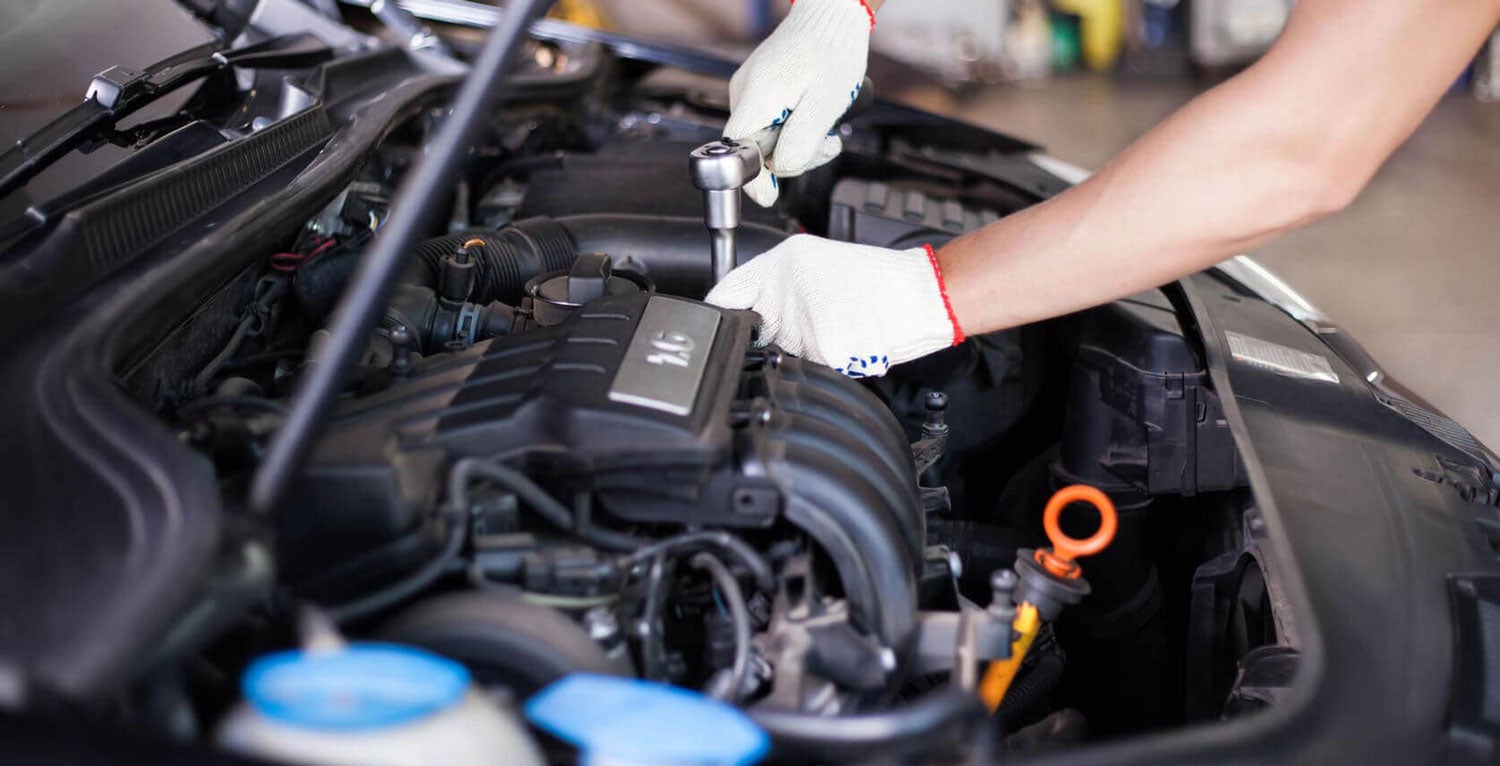
This is where costs climb quickly. Persistent overheating can warp cylinder heads, damage head gaskets, and in more severe cases crack engine components. Gates notes that a failing cooling system can lead to severe engine damage, while NAPA specifically warns that delaying repairs can lead to cracked cylinder heads and other costly internal problems. Low coolant also raises the risk of corrosion and temperature hot spots inside the engine, both of which can contribute to further mechanical damage.
In plain English: a repair that might have been limited to the pump, coolant, and related service can become a much larger engine repair if you keep driving.
Can a bad water pump damage anything besides the engine?
Yes. Driving with a bad water pump doesn't just risk the engine — if the failing pump leaks coolant onto the belt drive system, it can affect belts and pulleys. If bearings inside the water pump deteriorate, they can create whining or grinding noises and add stress to the drive system. And if coolant becomes extremely low, NAPA notes that the pump itself can be damaged further because coolant is part of what protects seals and bearings inside the unit.
So the longer you drive, the more likely you are to multiply the repair instead of containing it.
Are there warning signs before total failure?
Usually, yes. Common signs include coolant leaking from the pump area, a sweet coolant smell, engine overheating, steam, and unusual noises such as whining or grinding from the front of the engine. Some vehicles may also show damp areas under the hood or a small coolant puddle under the vehicle after parking. These are all signs that the pump or surrounding cooling components need attention now, not later.
That is the high-value takeaway: the danger is not just the final failure. The danger is ignoring the warnings while the problem is still giving you a chance to stop before major damage happens.
What should you do if you think the water pump is bad?
If the temperature gauge rises above normal, a temperature light comes on, or you see steam, the safest move is to pull over and stop driving. NAPA advises calling for a tow rather than trying to push on, because a superheated cooling system is under pressure and the engine may already be suffering damage. If coolant is low, do not open the system while it is hot. Let the engine cool fully before anyone checks it.
If you are not overheating yet but you do notice a leak, whining noise, coolant smell, or repeated need to top off coolant, schedule service immediately rather than risk driving with a bad water pump any longer. That is when you still have the best chance of keeping the repair contained.
Why does acting early matter so much?
Because driving with a bad water pump is a classic example of a small problem that gets dramatically more expensive if you wait. Replacing a bad pump is one job. Replacing a pump after overheating has damaged the head gasket or warped engine components is a completely different conversation. Cooling-system specialists consistently emphasize early inspection for exactly that reason.
For Mazda owners on the Seacoast, that means treating any coolant leak, overheating tendency, or unusual cooling-system noise as something worth checking before the next commute, weekend trip, or highway drive.
Get Cooling-System Service at Seacoast Mazda
If you've been driving with a bad water pump or suspect your Mazda has a failing water pump, Seacoast Mazda can inspect the cooling system, confirm the source of the problem, and help you address it before a manageable repair turns into major engine damage. When it comes to overheating, acting early is what protects both your vehicle and your wallet.
Schedule Service