

5 Common High-Mileage Mazda Issues

Mazda vehicles are known for their balance of sporty driving dynamics, attractive design, and long-term reliability. Many owners easily push their Mazda past 150,000 miles with regular maintenance. Still, like any brand, certain issues are more likely to arise as mileage climbs. Knowing what to look for can help you stay ahead of problems, avoid costly repairs, and keep your Mazda running smoothly for years to come.
5 Common High-Mileage Mazda Issues
Rust is the most widespread long-term problem, especially on models exposed to road salt—watch wheel arches, rocker panels, and brake lines.
Engine oil consumption and timing chain wear sometimes become noticeable past 120,000 miles, particularly on SKYACTIV engines.
Transmission problems—harsh shifts, slipping, or warning lights—are usually caused by neglected fluid changes rather than internal failure.
Suspension wear (struts, ball joints, bushings) quietly degrades handling and tire life after 100,000 miles.
Electrical gremlins—failing sensors, window regulators, and blower motors—become more frequent as Mazdas age past 10 years.
Despite these issues, many Mazdas reach 200,000+ miles with proactive maintenance and timely repairs.
Here are five common high-mileage Mazda issues and what they mean for you.
1. Why do older Mazdas develop rust problems?
One of the most widely reported issues in high-mileage Mazdas—especially older models from the early 2000s—is rust. Northern climates, where salt is used on winter roads, make Mazdas particularly vulnerable. Common trouble spots include wheel arches, rocker panels, undercarriage areas, and even brake and fuel lines.
While Mazda has significantly improved rustproofing on newer models, cars that have been on the road for 10 to 15 years can still show signs of corrosion. If left unchecked, rust can spread to critical structural components and compromise safety.
What you can do: Regular inspections, washing your Mazda frequently in winter, and applying rustproofing treatments can slow corrosion. If you notice bubbling paint or visible rust on your vehicle, bring it to Seacoast Mazda for a professional evaluation.
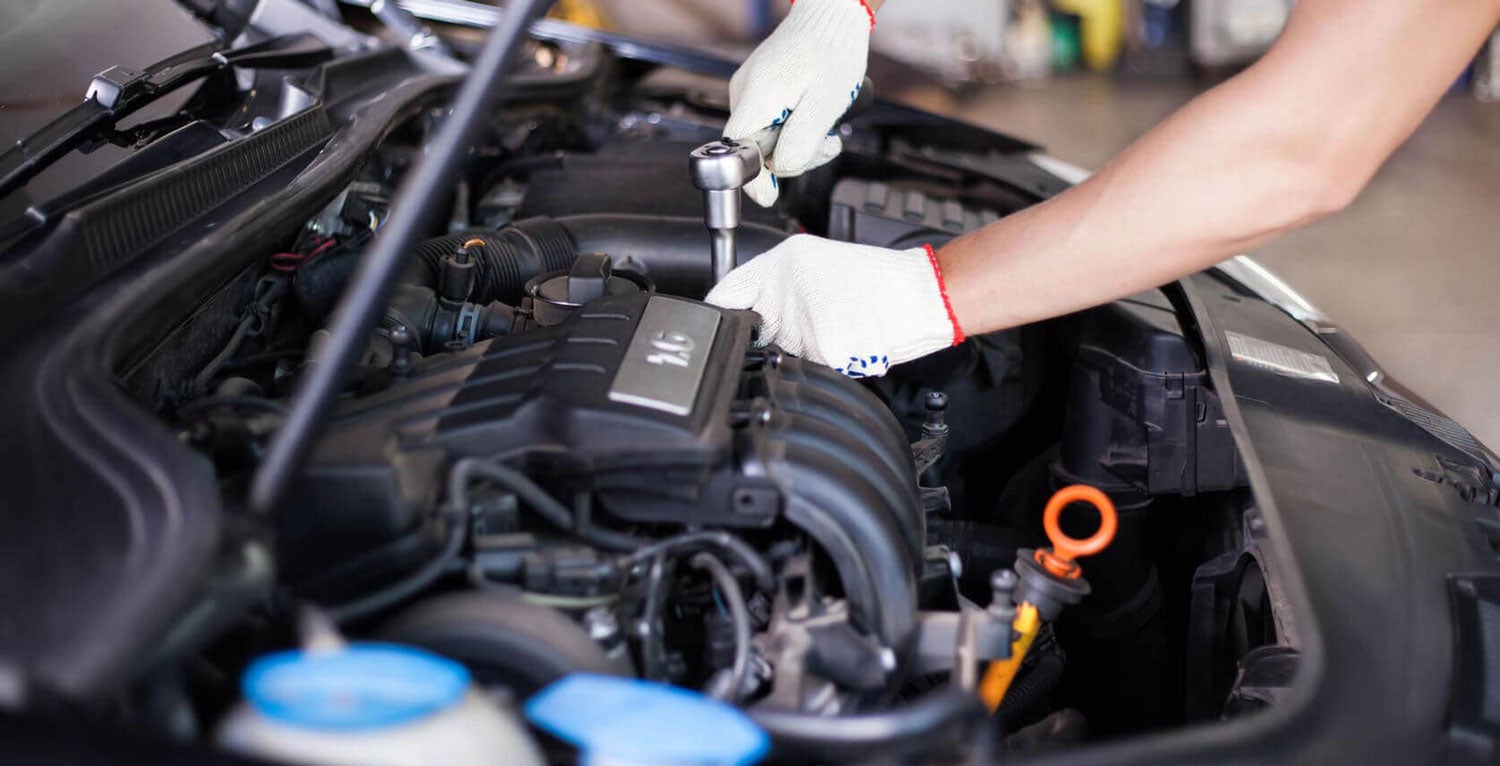
2. What engine issues occur with high mileage?
Mazda engines are generally durable, but higher-mileage vehicles can develop oil consumption problems, timing chain wear, or valve cover gasket leaks. For example:
- Skyactiv engines sometimes burn oil as seals wear, especially past 120,000 miles.
- Timing chains can stretch on older Mazdas, causing rattling noises or triggering the check engine light.
- Valve cover gaskets may leak, leaving oil residue around the engine bay.
These issues don’t necessarily mean your Mazda is failing, but they do highlight the importance of scheduled maintenance. Ignoring oil changes or engine warning signs can turn minor Mazda issues into expensive repairs.
What you can do: Watch your oil levels, listen for unusual noises, and schedule regular inspections at Seacoast Mazda. Addressing small leaks or chain wear early prevents damage to pistons, bearings, or catalytic converters.
3. Are transmission problems common in high-mileage Mazdas?
Most modern Mazda automatic transmissions are reliable, but like any component, they can develop problems over time. On higher-mileage vehicles, drivers sometimes report:
- Harsh or delayed shifting due to worn transmission fluid.
- Slipping gears caused by internal wear.
- Transmission warning lights linked to solenoid or sensor failures.
Mazda’s six-speed and newer eight-speed automatics are built for longevity, but they still require fluid checks and service. In older Mazdas with manual transmissions, worn clutches or synchronizers are more common after years of driving.
What you can do: If you notice rough shifts or slipping, don’t wait. Transmission issues often worsen quickly if ignored. Have Seacoast Mazda’s technicians diagnose the problem and service or repair the system before major damage occurs.
4. Why do suspension and steering components wear out?
As Mazdas age and rack up miles, suspension and steering parts take the brunt of daily driving. Common wear items include:
- Struts and shocks that lose damping ability, causing a bouncy or unstable ride.
- Ball joints and bushings that wear down, leading to clunks, vibrations, or uneven tire wear.
- Power steering pumps and lines that may leak or lose efficiency.
Drivers often notice degraded handling or tire wear patterns after 100,000 miles, especially if they frequently drive on rough roads or carry heavy loads.
What you can do: Suspension wear isn’t always obvious until it affects ride quality or tire life. Regular inspections at Seacoast Mazda can catch worn parts early. Replacing shocks, bushings, and steering components when needed restores your Mazda’s crisp handling and extends tire life.
5. How do electrical and accessory problems show up in older Mazdas?
High-mileage Mazdas may develop issues with electrical systems or accessories. These can include:
- Dashboard warning lights triggered by aging sensors.
- Window regulators and door locks that wear out after thousands of uses.
- Blower motors and AC systems that may lose performance over time.
- Battery and alternator failures, especially if the charging system hasn’t been serviced.
While most electrical issues are not catastrophic, they can be frustrating and affect your Mazda’s comfort or convenience.
What you can do: If you experience intermittent electrical problems, schedule diagnostics before components fail completely. Seacoast Mazda’s technicians can pinpoint sensor or wiring faults and replace worn accessories to restore full function.
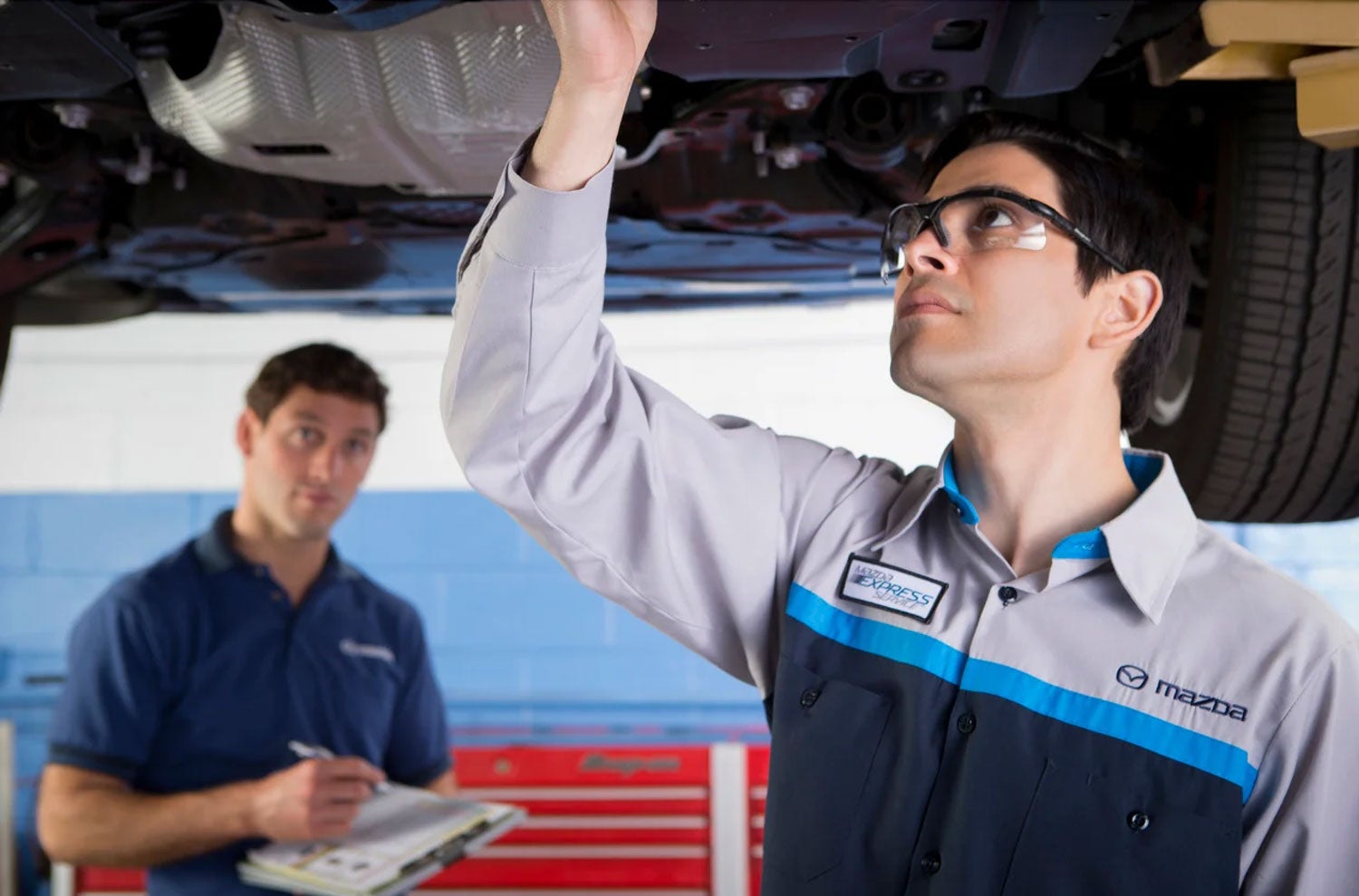
Is Mazda a Reliable Car?
High mileage doesn’t mean the end of your Mazda’s road life. In fact, many owners see their vehicles pass 200,000 miles with proper care. The key is preventative maintenance. Oil changes, fluid checks, brake service, and factory-recommended inspections all keep major systems healthy.
By addressing small Mazda issues early—whether that’s a minor oil leak, a worn suspension bushing, or a failing sensor—you save money and keep your Mazda dependable. High mileage simply makes proactive service more important than ever.
Get Expert High-Mileage Mazda Service at Seacoast Mazda
Whether your Mazda has 60,000 miles or 160,000 miles, the expert team at Seacoast Mazda is here to help. Our certified technicians know common high-mileage Mazda issues and how to fix them before they become bigger problems. From rust prevention to transmission service, we’ll keep your vehicle safe, efficient, and fun to drive for years to come.
Schedule your high-mileage Mazda inspection at Seacoast Mazda today and enjoy peace of mind every time you get behind the wheel.
Schedule Service