New Feature Highlight: G-Vectoring Control
Mazda is going all-in this new model year on its motto of
Jinba-Ittai, which roughly translates to “person and horse as one body.” Mazda is endeavoring to create a more harmonious relationship between vehicle and driver, mirroring the relationships that formed throughout history between horses and their riders. The first step in reaching that goal is the implementation of a new feature called G-Vectoring Control (GVC), which is the first in a series of new-generation vehicle motion control technologies collectively known as SKYACTIV-VEHICLE DYNAMICS. We realize none of those of those words may mean anything to you, so we’re going to highlight exactly what G-Vectoring Control means for you as a driver.
TL;DR
Mazda's G-Vectoring Control (GVC) is a smart technology that subtly adjusts engine torque based on your steering input, making the car respond more naturally and predictably. It's the first piece of Mazda's SKYACTIV-VEHICLE DYNAMICS system, debuting on the 2017 Mazda6 and 2017 Mazda3. The result: smoother rides, fewer steering corrections, less passenger wobble, and better handling in rain or snow.
Key Takeaways- GVC is the first-ever system to vary engine torque based on steering input, optimizing weight distribution across all four wheels.
- It's part of Mazda's broader SKYACTIV-VEHICLE DYNAMICS platform, rolling out across the entire model lineup.
- Debuts on the 2017 Mazda6, followed by the 2017 Mazda3.
- Reduces unconscious steering corrections, giving drivers more confidence and a more intuitive feel behind the wheel.
- Minimizes passenger wobble by smoothing out acceleration forces during turns.
- Improves handling and stability in adverse conditions like rain and snow.
- Supports Mazda's Jinba-Ittai philosophy of creating a seamless connection between driver and vehicle.
New Levels of Control, Comfort and Connectedness
The goal behind SKYACTIV-VEHICLE DYNAMICS is to provide integrated control of the engine, transmission,
chassis and body to create a sense of connectedness between a vehicle and its operator. G-Vectoring Control is the first of the series to be rolled out. Mazda has announced it will be applied to its entire model range, starting with the 2017
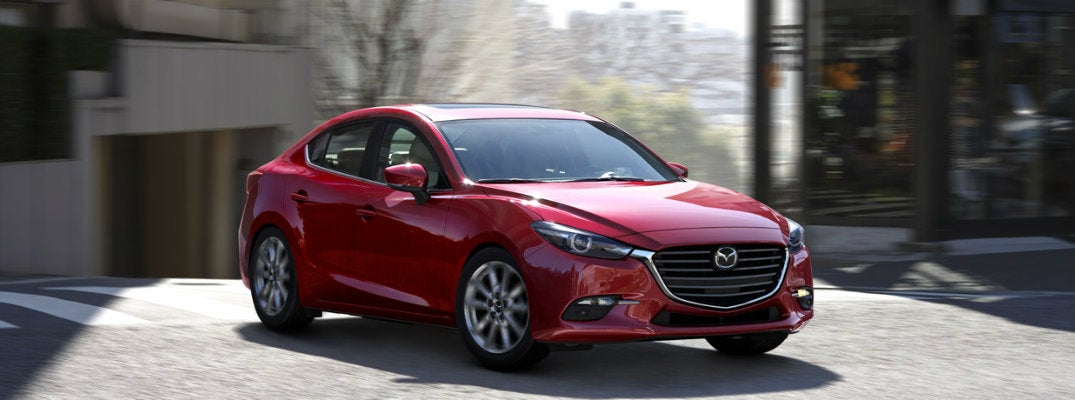
Mazda6 in the U.S., followed by the 2017
Mazda3.
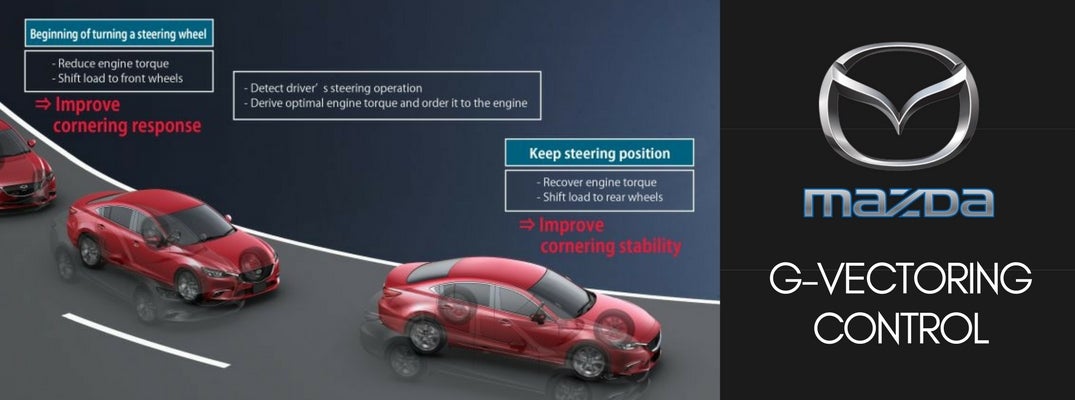
GVC uses the engine to augment the performance of the chassis. The new feature is the first control system in the world to vary engine torque in response to steering inputs in order to provide integrated control of lateral and longitudinal acceleration forces and optimize the vertical load on each wheel for a smooth and efficient ride.
What Are the Benefits of G-Vectoring Control?
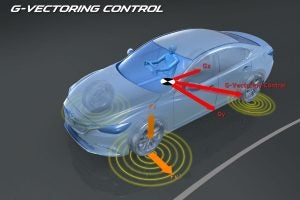
We mentioned above that GVC optimizes the vertical load on each wheel. Doing so brings the movements of the car more in line with what the driver is trying to accomplish. This reduces the need for steering corrections, especially the corrections a driver makes without knowing it. This provides traction that creates an increased level in confidence for any driver while making the act of driving more enjoyable.
But it’s not just the driver that feels the effects of G-Vectoring Control. Passengers feel it, too. Or, more accurately in this case, don’t feel it. That’s because GVC reduces the amount of wobbling a rider is subjected to by smoothing out the acceleration forces acting upon the vehicle.
How Does G-Vectoring Control Improve Safety?
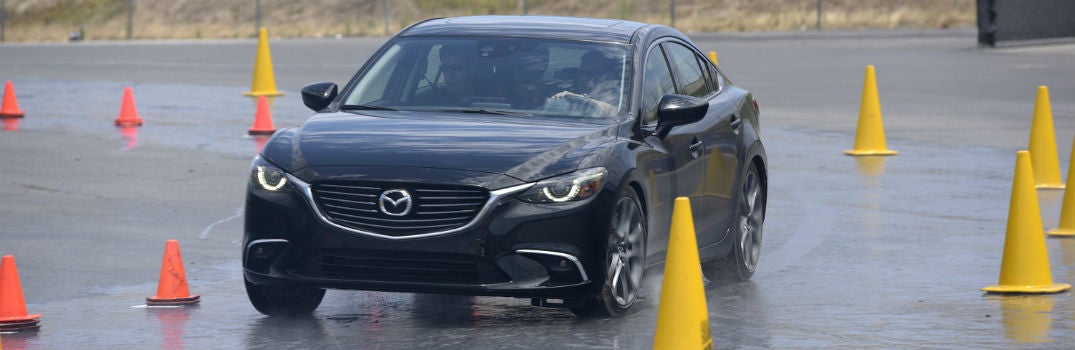
G-Vectoring Control isn’t just about comfort. It’s about safety, too. GVC greatly improves a vehicle’s handling and stability in all circumstances, including snow, rain and other less-than-ideal road conditions.
All signs point to the 2017 Mazda6 being released in September 2016. We keep our
online inventory up-to-date so you’ll know exactly when we get it here at Seacoast Mazda. We also have a huge selection of quality
pre-owned vehicles of all makes and models. If you have any questions about anything at all, feel free to give us a call or shoot us an email. We’re here to help.