

What's the Difference Between Serpentine & Timing Belts?

When it comes to maintaining your Mazda, understanding the components that keep your engine running smoothly is essential. Two key parts that often get confused are the serpentine belt and the timing belt. Both belts play crucial roles in the functioning of your engine, but they are very different in terms of purpose, location, and maintenance needs. Keep reading to learn the difference between a serpentine belt and timing belt.
What is a Serpentine Belt?
A serpentine belt is a long, continuous belt that snakes its way around various engine components, including the alternator, power steering pump, air conditioning compressor, water pump, and sometimes the battery. It is an essential part of your Mazda’s engine and is responsible for transferring power from the engine’s crankshaft to these crucial components. The serpentine belt’s primary function is to ensure that your vehicle’s accessories run efficiently.
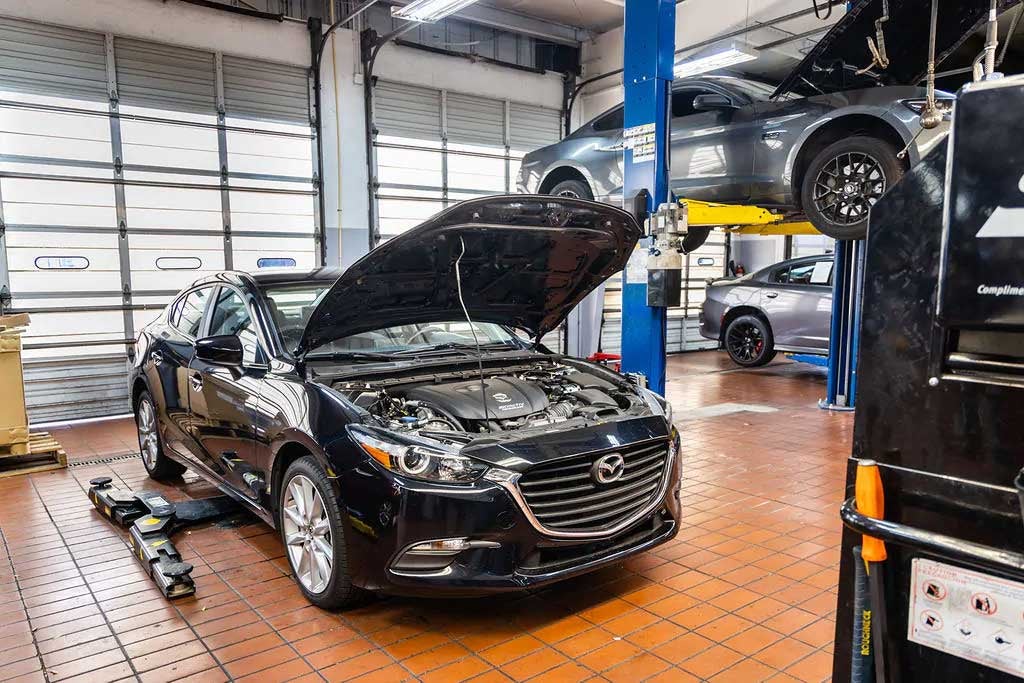
Serpentine Belt Location and Function
If you're wondering about the difference between a serpentine belt and timing belt, it's helpful to first understand how each works. In a modern engine, the serpentine belt is typically located on the front of the engine, and it loops around several pulleys to drive the necessary components. The engine’s crankshaft turns the serpentine belt, which in turn powers other parts that make your vehicle function. The belt is usually made of rubber or a synthetic material, which is reinforced with fibers to ensure durability.
Signs of a Failing Serpentine Belt
A failing serpentine belt can lead to several issues with your Mazda’s performance. Some common signs that your serpentine belt may need attention include:
- Squealing Noises – If you hear a high-pitched squealing noise coming from the front of the engine, it could be the serpentine belt slipping on one of its pulleys.
- Loss of Power Steering – A broken or worn serpentine belt can result in a loss of power steering, making it difficult to steer the vehicle.
- Overheating – If the serpentine belt powers your water pump, a broken or damaged belt could cause your engine to overheat.
- Dead Battery – If the alternator stops working due to a failed serpentine belt, your battery may not charge properly, causing it to die.
If you notice any of these symptoms, it’s crucial to replace the serpentine belt as soon as possible.
What is a Timing Belt?
To understand the difference between a serpentine belt and timing belt, it helps to look at each one in detail. The timing belt, on the other hand, serves a completely different function in your Mazda’s engine. The timing belt connects the crankshaft to the camshaft(s), ensuring that the engine’s valves open and close at the correct time relative to the position of the pistons. This synchronization is vital for proper engine operation, as it ensures that the engine’s intake and exhaust valves do not interfere with the pistons.
Timing Belt Location and Function
The timing belt is usually located at the front of the engine, under a cover to protect it from dirt, debris, and other environmental factors. It is responsible for timing the movement of the valves and pistons, which is a delicate and critical task. In modern Mazda engines, the timing belt is typically made of a high-strength rubber material that’s reinforced with fibers to prevent stretching or wear over time.
Signs of a Failing Timing Belt
Unlike the serpentine belt, a failed timing belt can result in significant engine damage. The timing belt must be replaced according to the manufacturer’s recommended intervals, typically every 60,000 to 100,000 miles. Some warning signs that your timing belt may be failing include:
- Engine Misfires – If the timing belt is not properly synchronizing the camshaft and crankshaft, the engine can misfire or run rough.
- Ticking Noise – A ticking noise coming from the engine could indicate that the timing belt is loose or damaged.
- Engine Won’t Start – If the timing belt breaks completely, the engine may fail to start, as the camshaft will no longer be synchronized with the crankshaft.
- Oil Leaks – If the timing belt cover starts to leak oil, it could indicate that the timing belt is deteriorating.
If the timing belt fails, it can cause severe engine damage, leading to costly repairs.
Key Differences Between Serpentine Belts and Timing Belts
Still wondering about the difference between a serpentine belt and timing belt? Now that we know what each belt does and how they function, it’s time to break down the key differences between serpentine belts and timing belts:
- Function
- Serpentine Belt: Powers various engine accessories such as the alternator, power steering pump, air conditioning compressor, and water pump.
- Timing Belt: Synchronizes the movement of the camshaft and crankshaft to ensure the engine’s valves open and close at the correct time in relation to the pistons.
- Location
- Serpentine Belt: Located at the front of the engine, it loops around multiple pulleys to drive engine accessories.
- Timing Belt: Located inside the engine, usually under a protective cover, and connects the crankshaft to the camshaft.
- Maintenance
- Serpentine Belt: Needs to be checked regularly for wear and replaced every 60,000 to 100,000 miles, depending on the manufacturer’s recommendations.
- Timing Belt: Requires periodic replacement, typically between 60,000 and 100,000 miles. It’s vital to replace it on time, as a failed timing belt can cause major engine damage.
- Cost of Failure
- Serpentine Belt: If the serpentine belt fails, the engine accessories may stop working, but it generally won’t cause catastrophic damage to the engine.
- Timing Belt: A timing belt failure can result in serious engine damage, often requiring costly repairs or even an engine replacement.
- Appearance
- Serpentine Belt: Typically a long, continuous belt with grooves on the side that wraps around various pulleys.
- Timing Belt: Often has teeth that mesh with sprockets on the camshaft and crankshaft to maintain precise timing.
Why Is Regular Maintenance Important?
Understanding the difference between a serpentine belt and timing belt also highlights why both require regular attention. Serpentine and timing belts are essential for your Mazda’s operation. Neglecting them can lead to engine issues or costly repairs. Regular maintenance is key—listen for unusual noises in the serpentine belt and replace it if necessary. For the timing belt, follow the recommended replacement intervals to avoid engine damage.

Get Your Mazda’s Serpentine & Timing Belts Checked at Seacoast Mazda
If you're unsure about the difference between a serpentine belt and timing belt, or think either may need attention, bring your vehicle to Seacoast Mazda for a professional inspection. Our skilled technicians will check the condition of the belts and recommend replacement if needed, ensuring your vehicle runs smoothly. Don’t wait for an issue—schedule an appointment today!
Schedule Service