

Mazda Maintenance After 100,000 Miles: Complete Service Schedule & What to Expect

Reaching 100,000 miles in a Mazda is a milestone that says a lot about both the vehicle and how it’s been cared for. Modern Mazda models are built with long-term reliability in mind, and with consistent maintenance, they can continue performing smoothly well beyond six figures on the odometer. However, after 100,000 miles, the way you maintain the vehicle becomes more important than ever. Parts begin to experience normal wear, fluids need closer attention, and preventive care becomes the difference between a dependable daily driver and unexpected repair bills.
At this stage, Mazda ownership shifts slightly from routine maintenance to more strategic upkeep. Instead of only following basic oil change intervals, drivers should begin thinking in terms of system health, long-term wear prevention, and proactive replacement of key components.
Engine Maintenance and Oil Service
One of the most important areas of focus after 100,000 miles is engine health. Regular oil changes remain essential, typically every 5,000 to 7,500 miles depending on driving conditions and oil type. As mileage increases, it becomes even more important not to stretch this interval. Engine deposits and internal wear are more likely to develop in high-mileage vehicles, and clean oil is the simplest way to protect internal components like pistons, camshafts, and timing systems.
Along with oil service, the engine air filter and cabin air filter should be checked more frequently. A clogged air filter can reduce efficiency and strain the engine, while a dirty cabin filter affects air quality inside the vehicle.
Cooling System Care
Cooling system maintenance becomes critical after 100,000 miles. Mazda engines rely on a properly functioning cooling system to maintain temperature stability and prevent overheating. Coolant should be inspected regularly for color, level, and contamination. A full coolant flush is often recommended if it has not already been done around this mileage point.
Components such as the radiator, thermostat, and water pump should also be inspected closely for early signs of wear or leakage, as these parts play a critical role in regulating engine temperature. Over time, seals can degrade and small leaks can develop, which may not be immediately noticeable but can lead to overheating or reduced cooling efficiency if left unaddressed. Regular inspection helps catch these issues early and keeps the cooling system operating reliably under all driving conditions.
Transmission Service
Transmission service is another major consideration. Whether the Mazda is equipped with an automatic or manual transmission, fluid condition plays a huge role in long-term performance. Transmission fluid breaks down over time, especially under stop-and-go driving conditions or frequent highway use.
If the fluid has never been changed, a service at or shortly after 100,000 miles is often recommended to maintain smooth shifting and reduce wear.
Brake System Maintenance
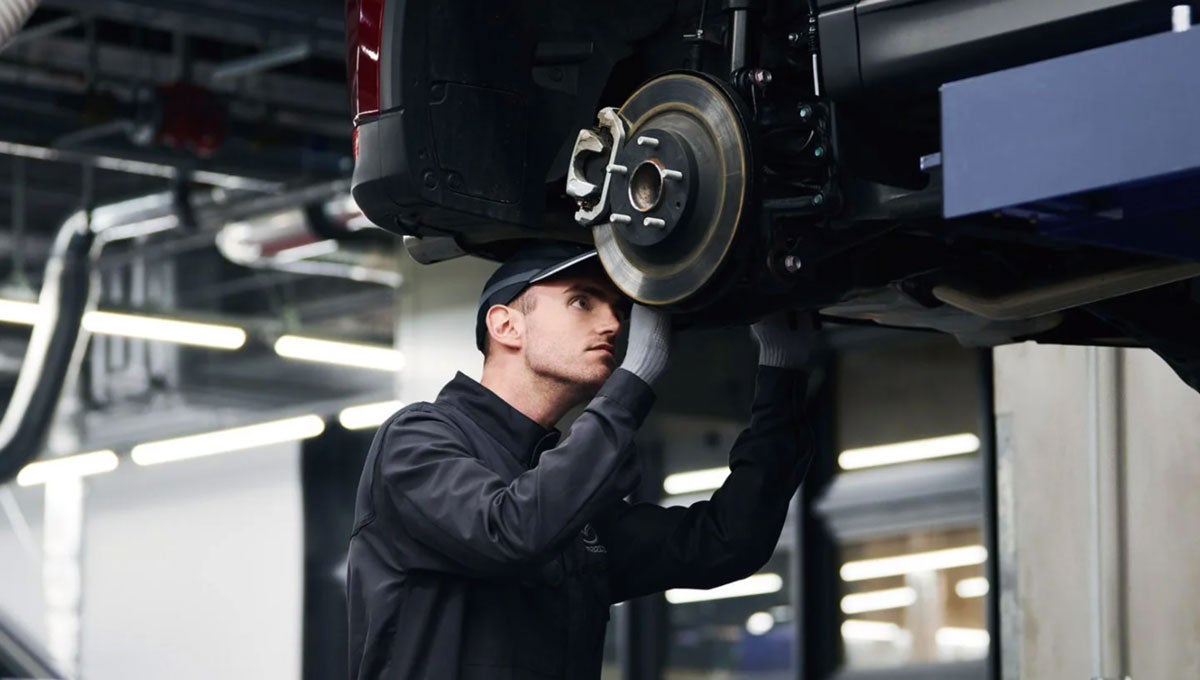
The braking system is entering a more sensitive phase at this mileage level. Brake pads and rotors may have already been replaced, but brake fluid condition becomes especially important. Brake fluid absorbs moisture over time, which can reduce braking performance and lead to internal corrosion.
A brake fluid flush is commonly recommended every few years, and is especially important once a vehicle crosses 100,000 miles.
Suspension and Ride Quality
Suspension components are another area where wear becomes more noticeable. Shocks and struts gradually lose their ability to absorb road impacts, which can lead to a rougher ride and uneven tire wear.
Ball joints, control arms, and bushings should also be inspected for looseness or cracking. Replacing worn suspension parts can significantly improve comfort and handling.
Timing System and Engine Internals
The timing system is a key factor depending on the specific Mazda model. Some engines use timing chains designed to last longer, while others use timing belts that may require replacement around 100,000 miles.
This is one of the most important maintenance items because timing chain failure or a broken timing belt can lead to severe engine damage.
Spark Plugs and Ignition System
Spark plugs and ignition components are also commonly addressed around this mileage point. Worn spark plugs can lead to reduced fuel efficiency, rough idling, and slower acceleration.
Replacing them helps restore smooth engine operation and ensures the ignition system continues performing efficiently.
Tires, Alignment, and Handling
Tires and wheel alignment become increasingly important as well. High-mileage vehicles are more likely to experience uneven tire wear, especially if alignment has drifted over time.
Regular rotations and alignment checks help extend tire life and maintain stable handling.
Battery and Electrical System
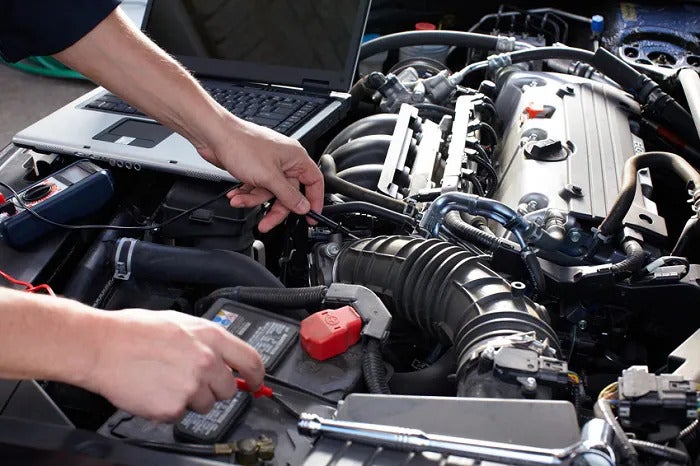
Battery and charging system health should not be overlooked at this stage of ownership. Even if the battery still appears to be functioning normally, it’s important to test its ability to hold a proper charge and deliver reliable cold starts. Over time, batteries naturally lose capacity, which can lead to slow starts or unexpected failure.
The alternator and overall charging system should also be inspected to ensure they are maintaining consistent output, while electrical connections are checked for corrosion, looseness, or wear that can develop gradually over many years of use.
Long-Term Maintenance Strategy
At this stage of ownership, consistency becomes the most important factor in long-term reliability. Staying ahead of routine maintenance while proactively replacing parts that are known to wear over time helps prevent small issues from turning into larger, more expensive repairs. It also ensures the Mazda continues to drive smoothly, maintain strong performance, and deliver the same level of dependability it had in earlier years.
With proper care and attention, many Mazda vehicles are fully capable of reaching 150,000 to 200,000 miles or more, and often even beyond that, while remaining comfortable and reliable daily drivers.
Take Your Mazda to Seacoast Mazda for Any Maintenance Needs
For drivers in coastal and New England environments, where weather and road conditions can be especially demanding, staying ahead of maintenance becomes even more important. Salt exposure, temperature swings, and seasonal driving all add stress to key systems like brakes, suspension, and underbody components.
To keep a high-mileage Mazda performing at its best, professional inspections and timely service make a significant difference. For continued maintenance, diagnostics, and repairs, take the Mazda to Seacoast Mazda for trusted service and long-term care that helps your vehicle stay reliable for many more miles ahead.
Schedule Service