Blog / Service

5 Vehicle Maintenance Tips for Fall

Mazda-Service-2
As summer is coming to a close, it is a great time to think about vehicle maintenance. Summer can be a time where people do a lot of driving for vacations and road trips, so it is important to do some checking in with your car after all that driving. Fall is also a great time for car care because you want to be sure your vehicle is prepared for the coming winter months. Below, you can check out five vehicle maintenance tips for fall so that you can be sure your car is in top shape.
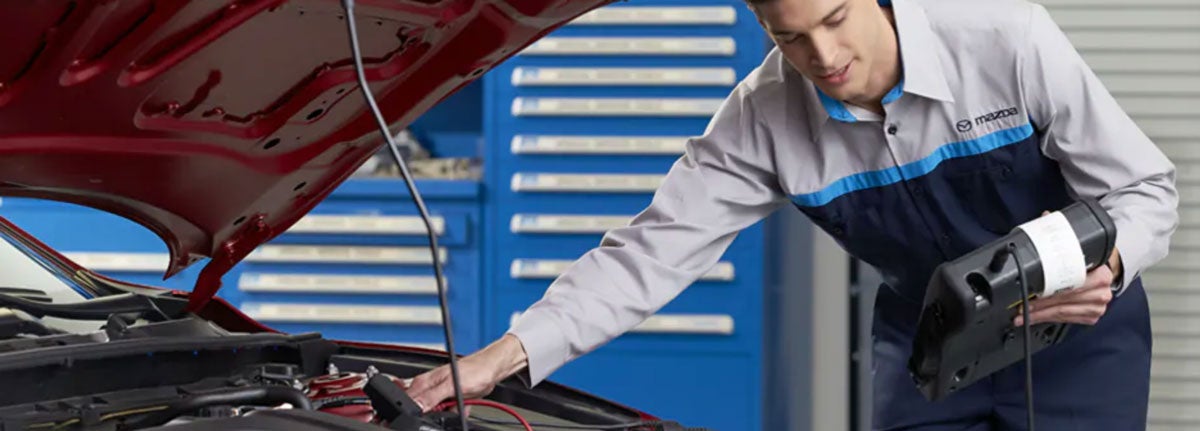
  1. Check Your Battery – The first thing you should do with your vehicle this fall is check your battery. You can inspect your battery and make sure the cables and terminals are snug. You can also clean those connections if they appear to be dirty. Your battery is something important to check out in the fall because the winter can be very hard on your car battery. Many people have issues starting their car with old car batteries in the winter.
  2. Check Your Tires – With your tires, there are two things you want to check in the fall. First, take a look at the tire pressure. Your tires can lose pressure as the temperature changes, so as fall rolls in, you want to be sure your tires have enough air in them. Next, you want to inspect the overall health of your tires. You want to check your tires for bulges and bald spots as well as checking the tread depth of your tires. This is important to do in the fall because you want to make sure your tires are going to make it through the winter. Tires with low tread depth should be replaced before winter because they won’t be safe on icy, wintry roads. In some locations, you may even want to switch your tires to winter tires before the bad weather hits.
  3. Replace Your Windshield Wipers – Next, you want to check out your windshield wipers. If your windshield wipers leave streaks behind when you use them, it is time to switch them out. Many people don’t think about this simple bit of vehicle maintenance, but it can significantly impact your visibility when you are on the road. Windshield wipers generally need to be changed every six months to a year.
  4. Check Your Brakes – Fall can also be a great time to get your brakes checked. With the coming ice and snow, you do not want a subpar brake system in your car. Have an expert check your brake linings, rotors, and drums.
  5. Wash Your Car – Washing away the dirt and grime from summer road trips is also a great idea for your car this fall. Not only does this leave your car looking great, but it helps your vehicle’s paint and finish last longer.
As the weather gets colder, you should be thinking about your vehicle. At Seacoast Mazda, we can help you get the service you need to make sure your vehicle is running great this winter. You can even schedule your service appointment online.
Posted in:

Related Posts

A mechanic inspecting a Mazda car for potential car leaking issues in the engine bay.

Car Leaking? Identify the Fluids Under Your Leaking Car

There is nothing worse than car trouble when you have somewhere to be. Car leaking is inconvenient, but it can also be frustrating because many of us do not know much about the inner-workings of our vehicles. This means when we have problems, we don’t know exactly what is going on or how to fix them. Below, we are going to talk about some of the basics in regards to fluid leaks from your Mazda vehicle. That way, you can be more knowledgeable and prepared if you have a situation where fluid is leaking from your vehicle. What Is the Most Common Fluid Leak in a Car? There are six main fluids that might leak from your vehicle. Learn more about what these fluids do and how to recognize them so that you are more prepared if a leak happens. My Car's Leaking Engine Oil Engine oil or motor oil could leak from your car. If it does, it will be a light amber or dark brown stain. If you're unsure if you see your car leaking engine oil, know that this leak will be under the front of your vehicle. An engine oil leak is something pretty serious because if you try to drive your vehicle without oil, it will cause significant engine damage. Be sure to check your dipstick frequently if you think you have an oil leak and consult a professional to help you find out where the leak is. My Car's Leaking Brake Fluid Brake fluid can look clear, yellow, or brown, and if it is leaking from your vehicle, the leak will be near the wheels of your vehicle. Without brake fluid, your car would not be able to stop when you push the brakes, so this is very important to get checked if brake fluid is leaking from your car. My Car's Leaking Transmission Fluid Transmission fluid will likely be brown or red in color, and it will leak from under your vehicle. If you see your car leaking transmission fluid, it's vital to fix this as soon as possible. Transmission fluid is critical as its the lubricant for the moving parts inside your car's transmission. The fluid will be slightly different depending on if you have an automatic or manual transmission, but your mechanic will know just how to handle this. My Car's Leaking Coolant or Anti-Freeze Coolant or anti-freeze is a sweet-smelling liquid that transfers heat and prevents damage in your vehicle. This liquid can be several different colors including yellow, green, blue, and orange. If you have a leak that looks like this, you need to take it in to be fixed. Driving a car that has lost a lot of coolant can be dangerous because the engine can overheat. Don’t let this problem happen to you! My Car's Leaking Power Steering Fluid If you see your car leaking power steering fluid, you should fix this as soon as you can. Power steering fluid plays a key role in how your power steering system functions. This fluid can be amber, red, or light brown in color. If your car is leaking power steering fluid, it will happen under the front of your vehicle. My Car's Leaking Fuel If your vehicle is leaking fuel, it will be a light gold color. If you smell gasoline and see a leak, you will want to get your vehicle to a service center right away because it can be a safety concern. You also may have water that leaks from your Mazda vehicle occasionally. This comes from the air conditioning unit. It is normal to see your car leaking a little bit of water on a hot day, so this is not something to worry about. If you think there is a problematic leak in your Mazda, you can come in to the Seacoast Mazda service center. We have an expert staff that can get your car back to running the way it should be. You can even schedule your service appointment online. Can You Drive Your Car if It’s Leaking? Driving with a car leak is a bit like walking around with a pebble in your shoe. Sometimes it’s just annoying, but other times it can cause real trouble if you ignore it. Whether you can safely drive depends entirely on which fluid is escaping. A few drops of water from your air conditioning system are harmless. A small oil drip might allow limited driving, but you should keep a close eye on the oil level and get it inspected soon. Leaking coolant, brake fluid, transmission fluid, or fuel can quickly turn into a safety hazard or cause expensive damage. If you are ever unsure, the safest choice is to have your Mazda checked before taking it back on the road. Visit Seacoast Mazda for Fluid Leak Repair Fluid leaks can be stressful, especially when you are trying to figure out what your car is trying to tell you. Learning how to recognize different types of leaks gives you an advantage and helps you act before a minor issue becomes a major repair. If something seems off or you notice a leak that concerns you, the Seacoast Mazda service team is ready to help you get back to safe, confident driving.

Mechanic performing service to make brakes last longer

How to Make Brakes Last Longer

Although every vehicle undergoes normal wear and tear during its lifetime, there are several driving habits and maintenance steps you can take to make your brakes last longer. Following these guidelines can help extend the life of your car's brakes while keeping you safer on the road. more Read more: 5 Tips for taking care of your tires Coasting is your friend – Rather than waiting until the last minute to press on the brakes, let your car coast to slow down before stopping; this is one of the easiest ways to make your brakes last longer since less speed means less wear on the pads. Lose some weight – Remove unnecessary items from your vehicle, especially heavy ones, since extra weight forces your brakes to work harder and shortens their lifespan. Don't play the imitation game – Keep a big enough distance between you and the car ahead so you aren't forced to slam on the brakes if traffic changes suddenly; maintaining that gap also lets you anticipate stops early, which naturally helps brakes last longer. Stay up-to-date with routine maintenance – Keeping up with regular brake service allows experienced mechanics to catch potential issues before they become serious, which is essential if you want your brakes to last as long as possible. Get your left foot off the pedal – Using only your right foot while driving avoids the risk of pressing the gas and brake pedals at the same time, preventing unnecessary wear that shortens brake life. Cheaper is not better – When it comes to brake parts, paying extra for higher-quality components is one of the smartest ways to help make your brakes last longer, since they tend to be more durable and reliable over time. If you have any questions or concerns about your vehicle's brakes or making them last longer, feel free to reach out to our team at Seacoast Mazda. Our service technicians are ready to help you out! Contact Us

5 tips for taking care of your tires

5 Tips for Tire Care and Maintenance

Proper tire care is crucial for making sure your vehicle is running efficiently and correctly. Taking care of your vehicle's tires also helps you save money on gas and keeps you safe on the road. Here are 5 important tire care tips for taking care of your tires that will help you to be sure they are working properly. more 5 Tire Care Tips Check your tire pressure regularly – One of the simplest tire care tips is inspecting inflation levels at least once a week and before long trips, always checking when tires are cold, and following the manufacturer's recommended PSI on your driver's door placard. Respect your car's load capacity – Following this tire care tip means avoiding overloading your vehicle beyond its rated weight limit, as excess weight puts extra stress on your tires and accelerates wear. Inspect your tires regularly – A key tire care tip is checking monthly, ideally when refueling, for stones, glass, nails, or other embedded objects, as well as cuts or damage, while monitoring tread depth closely. Choose matching replacement tires – When purchasing new tires, get four of the same type and size unless your vehicle manufacturer specifies otherwise, since mismatched tires can affect handling and safety. Have your tires routinely rotated and inspected – This tire care tip involves following your vehicle manufacturer's recommended rotation schedule in your Owner's Manual to promote even wear and extend tire life. Read more: Are your tires ready for winter? Frequently Asked Tire Care Questions How Often Should I Check My Tire Pressure? As part of these tire care tips, you should check tire pressure at least once a week and always before long trips, using an accurate pressure gauge while the tires are cold. If a tire loses more than 2 PSI per month, following good tire care tips means having it inspected by a professional, as this may indicate a slow leak. When Should I Replace My Tires? One of the most important tire care tips is knowing when to replace a tire, a common cadence is doing so once tread depth drops below 3/32 inch. A simple way to apply this tire care tip at home is the penny test: insert a penny upside down into the tread grooves, and if you can see all of Lincoln's head, it's time for new tires. How Often Should Tires Be Rotated? Rotation intervals vary by vehicle, so one of the best tire care tips is to follow the schedule listed in your Owner's Manual. As a general guideline, most manufacturers recommend rotation every 5,000 to 8,000 miles, or at every other oil change, making this a simple tire care tip to build into your regular maintenance routine. What Happens if My Tire Pressure Is Checked While Hot? An important tire care tip to remember is adding about 4 PSI above the recommended cold air pressure if you check your tires while they're still hot from driving. Never release air from a hot tire to try to reach the "cold" recommended pressure, since ignoring this tire care tip can leave your tires dangerously under-inflated once they cool down. What Is the 3% Rule for Tires? Following proper tire care tips means respecting the "3% rule," a fitment guideline stating that any replacement tire size should stay within 3% of your vehicle's original equipment (OEM) tire diameter. This is one of the most important tire care tips to follow before upgrading to larger or sportier tires, since staying within range preserves accurate speedometer readings and proper clearance. What Is the 4 PSI Rule on Tires? One of the most practical tire care tips is the "4 PSI rule," which applies when you must check pressure while your tires are still warm from driving: add approximately 4 PSI above the recommended cold tire pressure listed on your vehicle's door placard. This is an essential tire care tip to remember, since you should never let air out of a hot tire to hit the "cold" spec number. Tire Service in Portsmouth, NH At Seacoast Mazda, we offer a variety of tire services, from rotations to alignment checks. We also carry a selection of new tires for you to choose from when your tires need replacing. Whether you want to have your tires inspected or inquire about a new set of tires, feel free to get in touch with our service professionals at Seacoast Mazda Contact Us