

Causes and Fixes for Reduced Engine Power
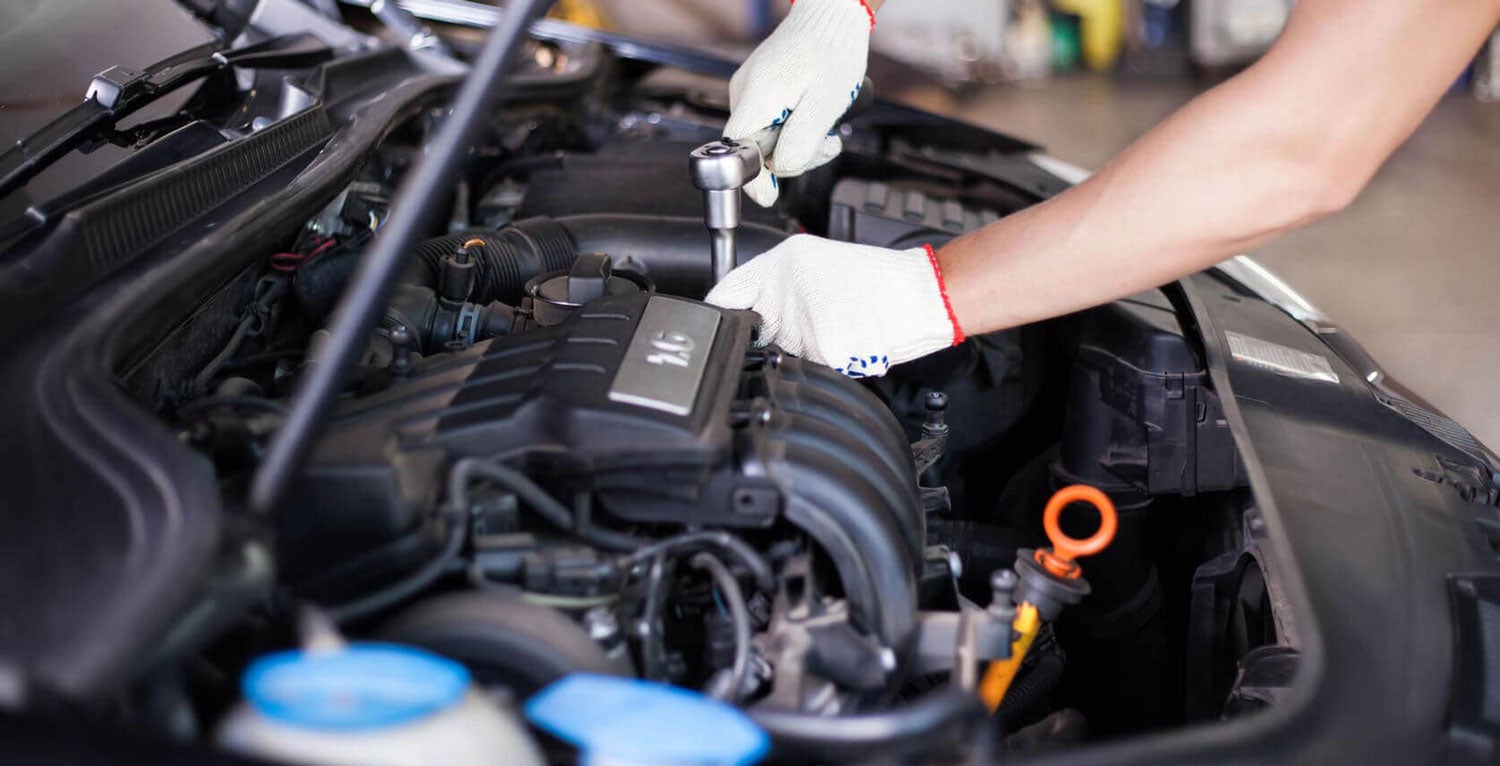
Experiencing reduced engine power in your vehicle can be frustrating and concerning, especially if it happens suddenly while driving. Whether you see an “engine power reduced” warning or notice sluggish performance, several underlying problems could be responsible. In this guide, we’ll explain what it means, walk you through how to fix the problem, and help you understand how to prevent reduced power in the future.
Key Takeaways
-
Reduced engine power limits performance when the vehicle detects a fault.
-
Diagnosis may involve trouble codes, wiring, sensors, fluids, and fuel or airflow components.
-
Repair the underlying cause; restarting or clearing codes may not resolve it.
What Does "Reduced Engine Power" Mean?
Wondering why your vehicle might suddenly lose acceleration? Modern vehicles are equipped with an Engine Control Module (ECM) that monitors various sensors and components to ensure optimal performance. When the ECM detects an issue that could harm the engine or affect drivability, it may trigger "Reduced Engine Power" mode (sometimes called limp mode). This safeguard limits the engine's output to prevent further damage, allowing you to drive cautiously to a repair shop.
To better understand this protective feature, it helps to recognize its most common symptoms:
- Noticeable decrease in acceleration
- "Reduced Engine Power" warning light on the dashboard
- Stalling or difficulty maintaining speed
- Poor fuel economy

Reduced Engine Power: Causes and Fixes
Faulty Throttle Body or Position Sensor
Possible cause: The throttle body regulates airflow into the engine, which is essential for combustion. Airflow can be restricted if it becomes clogged with carbon deposits, leading to sluggish performance. Additionally, the throttle position sensor (TPS) provides real-time data to the ECM, and a malfunctioning sensor can cause erratic acceleration or force the engine into reduced power mode.
Fix: Cleaning the throttle body regularly prevents buildup. If the TPS is faulty, it must be replaced to restore proper throttle response.
Malfunctioning Mass Air Flow (MAF) Sensor
Possible cause: The MAF sensor measures the volume of air entering the engine. The ECM may miscalculate the required fuel mixture if it malfunctions, leading to hesitation, stalling, or reduced power mode activation.
Fix: Cleaning the MAF sensor can help, but replacement is necessary if it continues to give faulty readings.
Clogged or Failing Catalytic Converter
Possible cause: A catalytic converter reduces harmful emissions but can become clogged over time due to unburnt fuel and carbon buildup. This restricts exhaust flow, causing the engine to struggle and potentially overheat.
Fix: If minor, a fuel additive may help clean deposits. However, severe blockages require professional inspection and possible replacement.
Issues with the Fuel System
Possible cause: Fuel-related problems, such as a clogged filter, failing fuel pump, or faulty injectors, can prevent the engine from receiving enough fuel, causing misfires and sluggish acceleration. These are key issues to consider when learning how to fix engine power reduced, as inadequate fuel delivery directly impacts engine performance.
Fix: Regular fuel system maintenance, including filter replacement and injector cleaning, prevents blockages and ensures proper fuel delivery.
Bad Oxygen (O2) Sensors
Possible cause: O2 sensors monitor oxygen levels in the exhaust to regulate the fuel-air mixture. A faulty sensor can cause the engine to run inefficiently, leading to power loss.
Fix: Replacing defective O2 sensors prevents fuel inefficiency and protects the catalytic converter from further damage.
Transmission Problems
Possible cause: If the transmission slips or overheats, the ECM may limit power to prevent further damage. This is another scenario where knowing how to fix reduced engine power can help avoid larger, costlier repairs. A failing transmission control module (TCM) can also incorrectly engage reduced power mode.
Fix: Checking transmission fluid levels and servicing the system regularly can prevent major issues.
Faulty Electronic Control Module (ECM)
Possible cause: A malfunctioning ECM can misinterpret sensor data, unnecessarily triggering reduced power mode.
Fix: A professional diagnostic scan can determine if reprogramming or replacing the ECM is needed.
Battery or Charging System Issues
Possible cause: A weak battery or failing alternator can disrupt electrical systems, affecting sensors and fuel delivery and reducing engine power.
Fix: Testing and replacing the battery or alternator when necessary prevents power-related issues.
Dirty or Clogged Air Filter
Possible cause: A clogged air filter limits airflow to the engine, forcing it to work harder and reducing efficiency.
Fix: Replacing the air filter at recommended intervals ensures optimal performance.
Overheating Engine
Possible cause: If the engine overheats, the ECM may reduce power to prevent severe damage. Causes include low coolant levels, radiator malfunctions, or a failing thermostat.
Fix: Regular coolant checks, leak inspections, and proper radiator function prevent overheating-related power loss.
How to Diagnose Reduced Engine Power
If you’re trying to figure out how to fix reduced engine power, follow these steps to diagnose the issue:
- Check for Warning Lights – The check engine or reduced power warning light provides clues about the issue.
- Scan for Error Codes – Use an OBD-II scanner to read diagnostic trouble codes (DTCs). These codes help pinpoint the problem.
- Inspect Sensors and Wiring – Loose or damaged wiring can cause false readings and trigger power reduction mode.
- Check Fluid Levels – Ensure that oil, coolant, transmission fluid, and fuel are at the proper levels.
- Test Key Components – If possible, test the throttle body, MAF sensor, fuel pressure, and alternator.
Preventing Reduced Engine Power Issues
To reduce the risk of experiencing reduced engine power, follow these preventative maintenance tips:
- Regularly clean or replace air and fuel filters – A clogged filter can restrict airflow or fuel delivery, reducing engine efficiency.
- Use high-quality fuel and oil – Poor-quality fuel can cause carbon buildup, while low-grade oil may lead to excessive engine wear.
- Schedule routine inspections for sensors and wiring – Faulty sensors or damaged wiring can trigger incorrect readings, leading to power loss.
- Check battery and alternator health – A weak battery or failing alternator can cause inconsistent voltage, affecting critical engine components.
- Keep the cooling system in good condition – Regularly check coolant levels, inspect for leaks, and ensure the radiator and thermostat function properly.
- Use an OBD-II scanner periodically to catch early warning signs – Detecting trouble codes early helps prevent minor issues from escalating into major repairs.
Routine maintenance and early detection of potential problems can help keep your engine running at optimal performance.

FAQs
Can I Drive With Reduced Engine Power?
Driving with reduced engine power is possible, but it should only be considered a temporary measure. When your vehicle enters reduced power mode, the Engine Control Module limits performance to protect critical components. This means acceleration is restricted, top speed is reduced, and overall responsiveness is lower.
You can usually drive short distances, such as getting to a nearby service center. However, continuing to drive for extended periods is not recommended. Reduced power often indicates an underlying issue that could worsen over time. In some cases, ignoring the problem may lead to more severe damage, including engine or transmission failure.
If the vehicle is struggling to maintain speed, stalling, or showing multiple warning lights, it is safer to stop driving and have it inspected immediately.
Will Engine Power Reduced Go Away?
Reduced engine power does not typically resolve on its own. The system is designed to stay active until the root problem is identified and fixed. In some situations, the warning may temporarily disappear after restarting the vehicle, but this does not mean the issue is resolved.
Intermittent sensor faults or minor electrical issues can cause the warning to come and go. However, the underlying cause remains and will likely trigger reduced power mode again. Relying on the warning to disappear without proper diagnosis increases the risk of further damage.
The only reliable way to restore full engine performance is to diagnose the issue using diagnostic tools and complete the necessary repairs. Clearing error codes without fixing the problem will only provide a short-term reset.
When to Seek Professional Help
While some issues can be handled with basic maintenance, others require professional diagnostics and repairs. Seek professional help if:
- The problem persists after cleaning sensors or replacing filters
- You notice excessive smoke, stalling, or other severe symptoms
- The engine goes into limp mode frequently
- There are transmission-related issues
Visit Seacoast Mazda To Fix Reduced Engine Power
If your vehicle displays an “engine power reduced” warning, Seacoast Mazda’s technicians can diagnose the cause and recommend the appropriate repair. Whether it's a faulty sensor, a clogged fuel system, or a more complex transmission problem, our team knows how to restore your vehicle’s performance efficiently. Regular maintenance and prompt repairs can prevent power loss and keep your engine running smoothly. Visit Seacoast Mazda today for professional diagnostics and quality service to get your vehicle back on the road with confidence.
Schedule Service