

Why Your Mazda Loses Power When Accelerating—and What Could Be Causing It

Mazda vehicles are known for delivering responsive performance and an enjoyable driving experience. When your Mazda suddenly feels sluggish, hesitates when you press the gas pedal, or struggles to accelerate, it can be both frustrating and concerning.
A loss of power during acceleration can stem from a variety of causes, ranging from routine maintenance issues to more complex engine or transmission problems. Understanding some of the most common reasons behind reduced performance can help you address the issue early and keep your Mazda running at its best.
A Dirty Engine Air Filter
A dirty engine air filter is one of the most common causes of reduced performance. When the filter becomes clogged with dust and debris, airflow to the engine is restricted, which can lead to sluggish acceleration, reduced fuel economy, and decreased overall responsiveness. Fortunately, replacing an air filter is typically a simple maintenance service that can help restore your Mazda's performance.
Fuel System Problems
Fuel system problems can also cause a loss of power during acceleration. Dirty fuel injectors or a failing fuel pump can restrict fuel delivery to the engine, leading to hesitation, reduced performance, and sluggish acceleration. Because these issues can worsen over time, it's important to have them inspected when symptoms first appear.
Mass Air Flow Sensor Issues
The mass air flow sensor, often called the MAF sensor, measures the amount of air entering the engine and communicates that information to the vehicle's computer. The engine control system uses this data to determine the proper fuel mixture.
If the sensor becomes dirty or fails, your Mazda may not receive the correct air-fuel ratio. As a result, acceleration may become inconsistent or sluggish.
Common symptoms of a faulty mass air flow sensor include:
- Hesitation when accelerating
- Rough idling
- Poor fuel economy
- Check engine light illumination
Because the sensor plays a critical role in engine performance, a professional diagnosis is often needed to determine whether cleaning or replacement is necessary.
Worn Spark Plugs and Ignition Components
Spark plugs are responsible for igniting the air-fuel mixture inside your engine's cylinders. Over time, spark plugs naturally wear out and become less effective.
When spark plugs begin to fail, your Mazda may experience engine misfires, rough acceleration, and reduced power. Ignition coils can also wear out and create similar symptoms.
Many drivers first notice ignition-related issues when their vehicle feels hesitant during acceleration or struggles to maintain smooth performance at higher speeds.
Following Mazda's recommended maintenance schedule can help ensure spark plugs and ignition components are replaced at the appropriate intervals.
Turbocharger Problems
Many Mazda models are available with turbocharged engines that deliver additional power and torque. If a turbocharger system develops a problem, however, acceleration can be noticeably affected.
Turbochargers work by forcing additional air into the engine. If there is a leak, damaged component, sensor issue, or internal turbocharger problem, boost pressure may decrease. When that happens, the engine may feel significantly less powerful than normal.
Drivers may notice:
- Reduced acceleration
- Whistling or unusual engine noises
- Increased exhaust smoke
- Check engine warning lights
Prompt diagnosis can help prevent further damage to turbocharger components and restore proper performance.
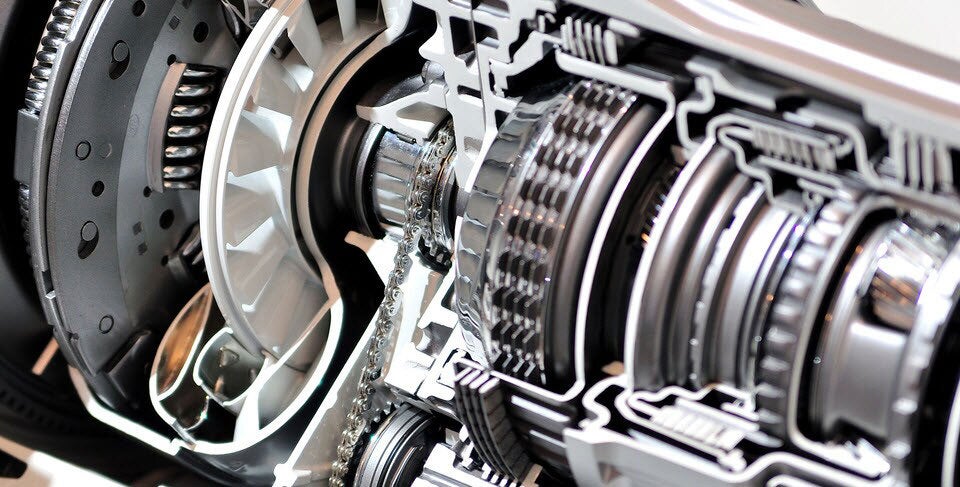
Transmission Concerns
Sometimes acceleration problems are not caused by the engine at all. Instead, the transmission may be responsible.
Mazda transmissions are engineered to provide smooth shifts and responsive performance. However, worn components, low transmission fluid, or internal transmission issues can affect power delivery.
Signs of transmission-related problems may include:
- Delayed shifting
- Slipping gears
- High engine RPMs with little acceleration
- Jerking during gear changes
- Transmission warning indicators
Because transmission repairs can become costly if neglected, it is important to address any symptoms as soon as they appear.
A Restricted Catalytic Converter
The catalytic converter is part of your Mazda's exhaust system and helps reduce harmful emissions. Over time, however, the converter can become restricted or damaged.
A clogged catalytic converter creates excessive exhaust backpressure, making it harder for the engine to expel exhaust gases. This can lead to noticeable performance issues, including poor acceleration and reduced engine power.
In addition to sluggish acceleration, drivers may notice warning lights, unusual odors, or decreased fuel economy.
Since catalytic converter problems can affect both emissions and overall performance, professional inspection is recommended if symptoms arise.
Electronic Sensor Failures
Modern Mazda vehicles rely on advanced electronics and sensors to optimize engine performance. Components such as throttle position sensors, oxygen sensors, crankshaft sensors, and camshaft sensors continuously communicate with the vehicle's computer.
When one of these sensors fails, the engine may not receive accurate information. In some cases, the vehicle may enter a reduced-power mode designed to protect critical components from damage.
If your Mazda suddenly loses power and a warning light appears, an electronic sensor issue could be the cause.
Why You Shouldn't Ignore Power Loss
A vehicle that hesitates or struggles to accelerate isn't just inconvenient—it can also create safety concerns. Reduced power can make it more difficult to merge onto highways, pass slower traffic, or respond quickly to changing road conditions.
Additionally, many acceleration-related issues become more expensive to repair when ignored. A simple maintenance item today could develop into a major repair tomorrow if left unaddressed.
Scheduling service at the first sign of trouble can help identify the cause early, protect important vehicle components, and restore your Mazda's performance.

Bring Your Mazda to Seacoast Mazda for Expert Service
If your Mazda is losing power when accelerating, don't wait for the problem to get worse. The factory-trained technicians at Seacoast Mazda have the tools and expertise to diagnose and repair a wide range of performance concerns, from fuel system issues to transmission and engine-related problems.
If you've noticed hesitation, sluggish acceleration, unusual engine behavior, or warning lights on your dashboard, schedule a service appointment at Seacoast Mazda today. We'll inspect your vehicle, identify the cause, and help restore the responsive performance you expect from your Mazda. Addressing potential issues early can help prevent more costly repairs and keep your vehicle running at its best.
Schedule Service